Why Corporate Identity Matters More for B2B and Manufacturing Companies
 Niah


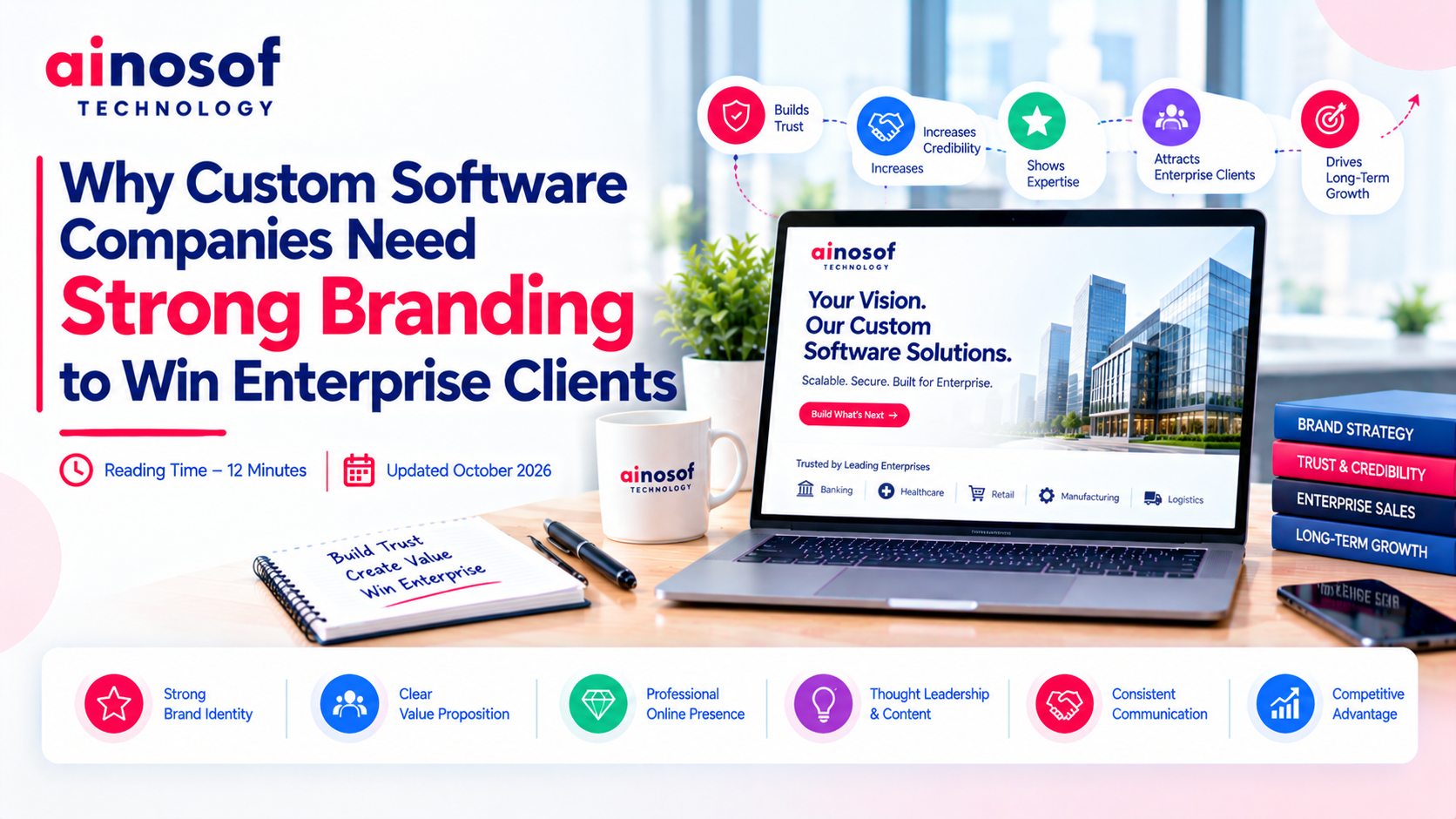
Enterprise clients rarely choose a custom software development partner based on technical skills alone. They also evaluate how clearly a company communicates its expertise, presents its past work, and demonstrates that it can be trusted with important business operations.
For a software company, this creates a challenge. The development team may have the technical ability to deliver complex projects, but if the company's presentation looks inconsistent or its capabilities are difficult to understand, enterprise buyers may hesitate before starting a conversation.
This is where branding becomes a business decision rather than simply a design exercise. A clear brand identity, a professional website, and a well-structured company profile can help potential clients understand what a company does, why its experience matters, and whether it deserves consideration for a high-value project.
Enterprise software projects often involve substantial budgets, sensitive business information, multiple stakeholders, and long-term commitments. Buyers need confidence that a development partner can understand their requirements, communicate professionally, and support the business beyond the initial delivery.
Branding helps establish that confidence before the first meeting.
When enterprise buyers evaluate a software company, they may first encounter its website, company profile, proposal, LinkedIn presence, or sales presentation. These materials influence how easily buyers can understand the company's capabilities and assess its suitability.
A professional presentation communicates that the business takes its market positioning, communication, and client relationships seriously. Clear service descriptions, consistent visual elements, relevant project examples, and well-organized information make it easier for decision-makers to evaluate the company.
Consider two custom software companies with similar technical capabilities. One presents a generic company introduction with limited project details. The other explains its specializations, development approach, relevant experience, and the business challenges it can solve.
The second company gives buyers more useful information to support their evaluation. This does not guarantee a contract, but it can help the business make a stronger impression and earn further discussions.
Technical expertise matters, but enterprise buyers also need to understand how that expertise applies to their business.
A company might have experienced developers, modern technology skills, and successful projects. However, if its marketing materials focus only on programming languages and technical terminology, decision-makers may struggle to understand the business value.
Enterprise buyers typically need answers to practical questions:
Strong branding helps communicate these answers through clear positioning, useful content, credible evidence, and consistent messaging.
The goal is not to make a software company look bigger than it is. It is to make its genuine capabilities easier to understand and evaluate.
A company profile is often more than an introduction to a business. It can support vendor evaluations, sales meetings, partnership discussions, proposals, and tender submissions.
For custom software companies, a well-designed profile should explain the company's capabilities in a way that connects technical expertise with enterprise business needs.
An effective company profile should help a prospective client understand the business without having to search through multiple documents.
The content should prioritize the information that supports a buying decision.
Company positioning: Explain the company's core services, target industries, and the problems it helps solve. Avoid vague statements that could describe almost any IT company.
Technical capabilities: Present relevant services such as custom software development, ERP solutions, CRM integration, workflow automation, or business applications. Include only capabilities the company can genuinely deliver.
Project experience: Use relevant case studies, project summaries, or implementation examples where available. Explain the original challenge, the solution delivered, and the business outcome. Never invent client names, performance figures, or project results.
Development and delivery approach: Describe how requirements are understood, solutions are planned, progress is communicated, and quality is managed. Enterprise buyers need to understand how a potential partner works, not just which technologies it uses.
Business information: Include accurate company details, contact information, and other relevant credentials. Claims about certifications, security standards, or industry compliance should only appear when they can be verified.
A strong profile balances visual presentation with useful business information. Attractive design may encourage someone to read it, but relevant evidence and clear communication help the reader evaluate the company.
Professional Company Profile Design Services can help a software company turn scattered business information into a consistent, decision-focused presentation.
Instead of assembling a document from unrelated slides, the company can structure its profile around the questions enterprise buyers are likely to ask. The opening introduces the business and its positioning, subsequent sections explain capabilities and experience, and relevant examples provide evidence.
This can make sales conversations more productive in several ways.
However, a company profile cannot replace a strong proposal, relevant technical discussions, references, or a credible delivery record. It supports the sales process by presenting those strengths clearly.
For a technology company such as Ainosof Technology, the broader lesson is that digital presence and business communication should reinforce each other. The profile, website, and service messaging should tell a consistent story about the company's capabilities and the problems it helps businesses solve.
Not every design provider understands the difference between presenting a consumer product and presenting a business-to-business technology company.
A custom software company needs a profile that communicates technical capabilities without overwhelming business decision-makers. Choosing the right partner therefore requires evaluating both design quality and the ability to organize information around business objectives.
Before selecting a Company Profile Design Agency, assess how well it understands your business, audience, and intended use for the profile.
Start by reviewing relevant portfolio examples. Look for clear information hierarchy, readable layouts, consistent branding, and the ability to present complex services in straightforward language.
Next, consider the agency's approach to content. A good design process should begin with questions about your target clients, core services, competitive positioning, project experience, and sales objectives. Designing pages before understanding these details can result in an attractive document that does little to support business development.
Also evaluate practical considerations:
The right choice depends on your needs. A company with a clear message and an established visual identity may need design execution, while a company struggling to communicate its positioning may need help organizing the content as well.
The objective is to select a partner that can make the company's real strengths easier to understand, not simply produce a visually impressive PDF.
A company profile creates a stronger impression when it aligns with the rest of the company's business communication.
If the website describes one set of services, the company profile emphasizes another, and sales presentations use inconsistent branding, prospective clients may find it harder to understand the business's actual positioning.
To avoid this, establish a shared brand system that includes:
The website should provide deeper information about services, while the company profile offers a focused overview that is easy to share. Proposals should then address the specific client's requirements rather than repeating the same general company introduction.
Review these materials whenever the company launches a new service, enters a new market, or develops significant project experience. Keeping them aligned helps the brand reflect the business as it actually operates.
For growing software companies, this consistency is particularly valuable when founders, sales representatives, and technical teams all participate in enterprise discussions.
Strong branding works best when it supports a broader business development strategy. Once your company profile communicates your capabilities clearly, review the other touchpoints that enterprise clients may use to evaluate your business.
Keep your messaging consistent across these channels and make sure every business claim is supported by accurate information. This creates a more coherent experience for potential clients as they move from discovering your company to evaluating a possible partnership.
Winning enterprise clients requires more than strong development skills. Custom software companies must also explain their capabilities clearly, demonstrate relevant experience, and give prospective clients confidence in their approach.
Professional Company Profile Design can support this process by bringing business positioning, services, project evidence, and visual identity together in one structured presentation. When combined with a credible website, consistent proposals, and clear communication, it helps enterprise buyers understand what a company offers and why it may be a suitable partner.
Before investing in design, identify the clients you want to reach and the questions they need answered. Then build your company profile around those decisions rather than treating it as a collection of promotional pages.
For a growing technology business, the goal is simple: make your real capabilities clear, your expertise credible, and your value relevant to the clients you want to win.
Branding helps custom software companies communicate their expertise, positioning, and reliability. It makes their capabilities easier for enterprise buyers to understand and evaluate. Strong branding cannot guarantee a contract, but it can support credibility throughout the sales process.
Professional Company Profile Design organizes a company's services, technical capabilities, project experience, and business information into a clear presentation. This helps prospective clients assess whether the company is relevant to their requirements.
It should generally include the company overview, core services, technical capabilities, relevant industries, verified project examples, delivery approach, differentiators, and accurate contact information. The content should focus on what enterprise buyers need to know before considering a partnership.
A company should consider professional services when its existing profile looks outdated, its positioning is unclear, its sales materials are inconsistent, or it is preparing to approach larger clients. The investment is most useful when the document supports a defined business development objective.
Review the agency's portfolio, understanding of B2B audiences, content-structuring approach, design quality, revision process, and delivery formats. Choose a provider that can present technical services clearly and work with accurate information about your business.
Yes. A smaller company can communicate its specialization, relevant experience, delivery approach, and ability to address specific business problems. It should demonstrate its actual strengths rather than imitate the size or credentials of a larger competitor.
Branding can influence initial perceptions and help buyers understand a company's capabilities. However, enterprise vendor selection also depends on technical fit, commercial terms, security requirements, delivery capacity, references, and procurement criteria.
It provides a consistent introduction to the company, allowing proposals and meetings to focus more directly on the client's needs. A well-organized profile can also help stakeholders review the company's capabilities before or after a discussion.
Yes. Both should use consistent visual elements, service descriptions, and positioning. Their purposes may differ, but they should communicate the same underlying business identity and accurately represent the company's current capabilities.
Ainosof Technology works in the technology solutions space, including website development and custom software solutions. Businesses exploring ways to improve their digital presentation can review the company's services and assess which solutions align with their requirements. Any branding or company profile project should begin with clear business objectives, accurate company information, and an understanding of the intended audience.
 How a CRM System Complements Custom Business Software for Better Sales Visibility
15 Oct, 2026
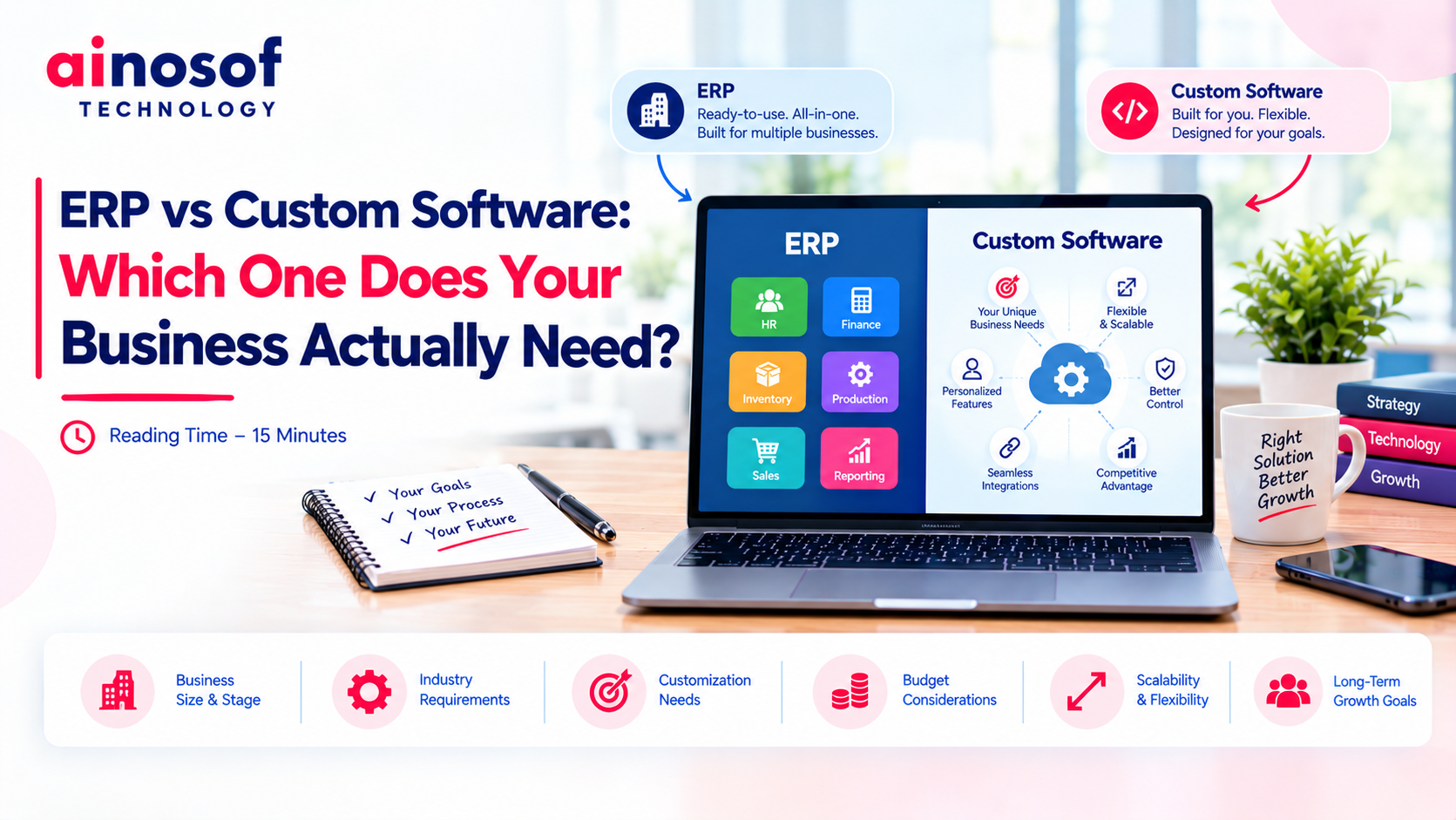 ERP vs Custom Software: Which One Does Your Business Actually Need?
14 Oct, 2026
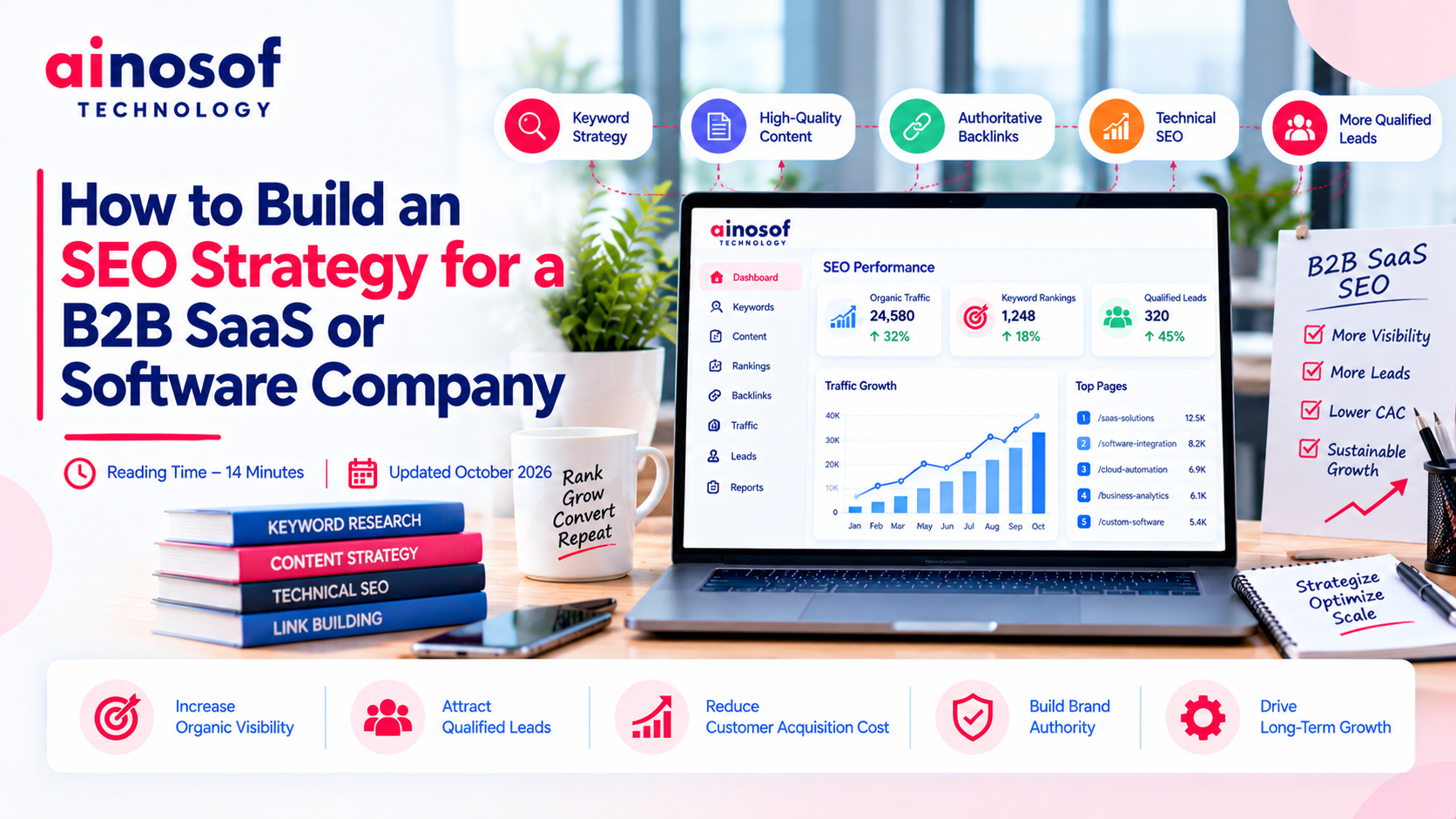 How to Build an SEO Strategy for a B2B SaaS or Software Company
13 Oct, 2026
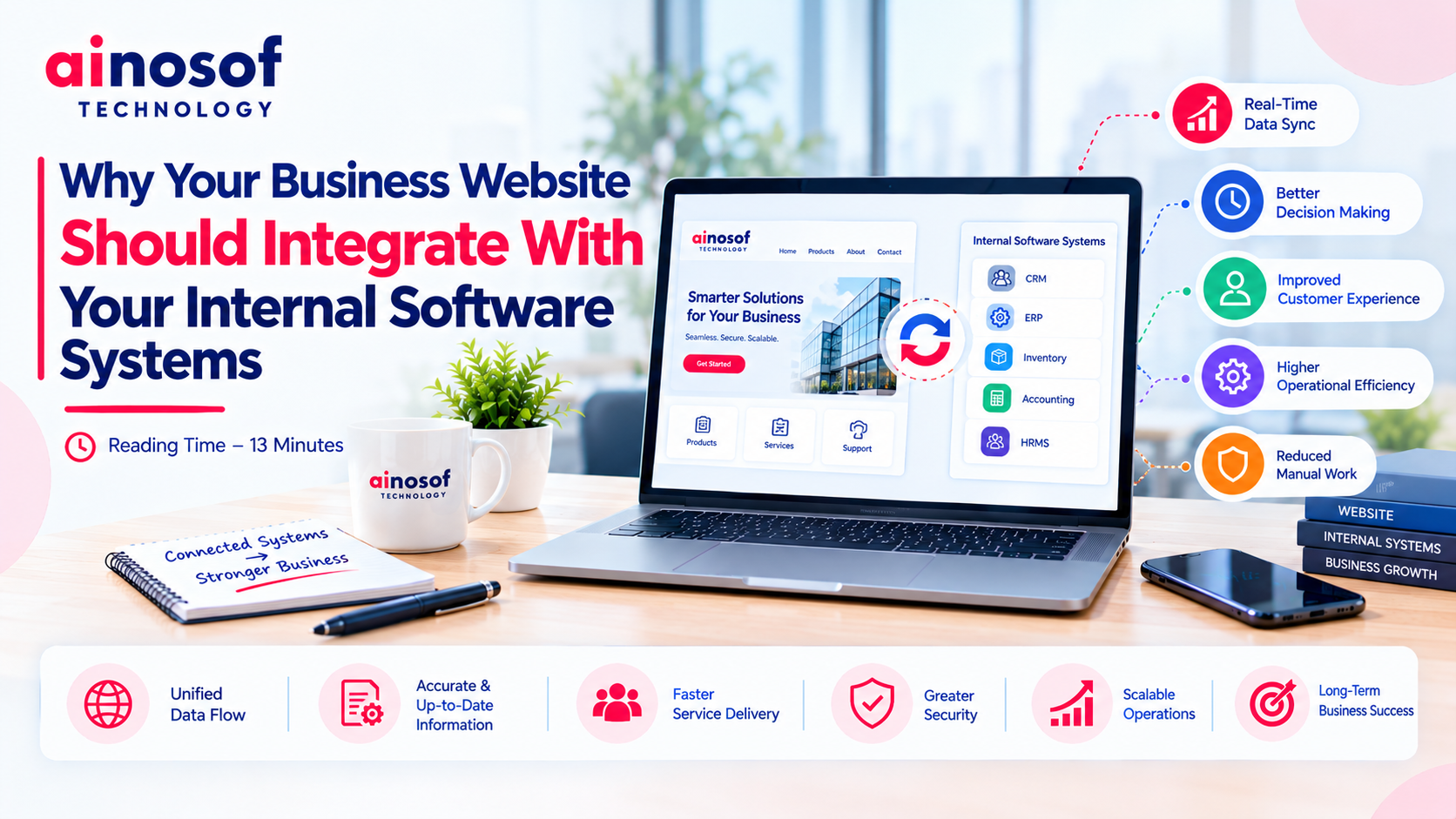 Why Your Business Website Should Integrate With Your Internal Software Systems
12 Oct, 2026
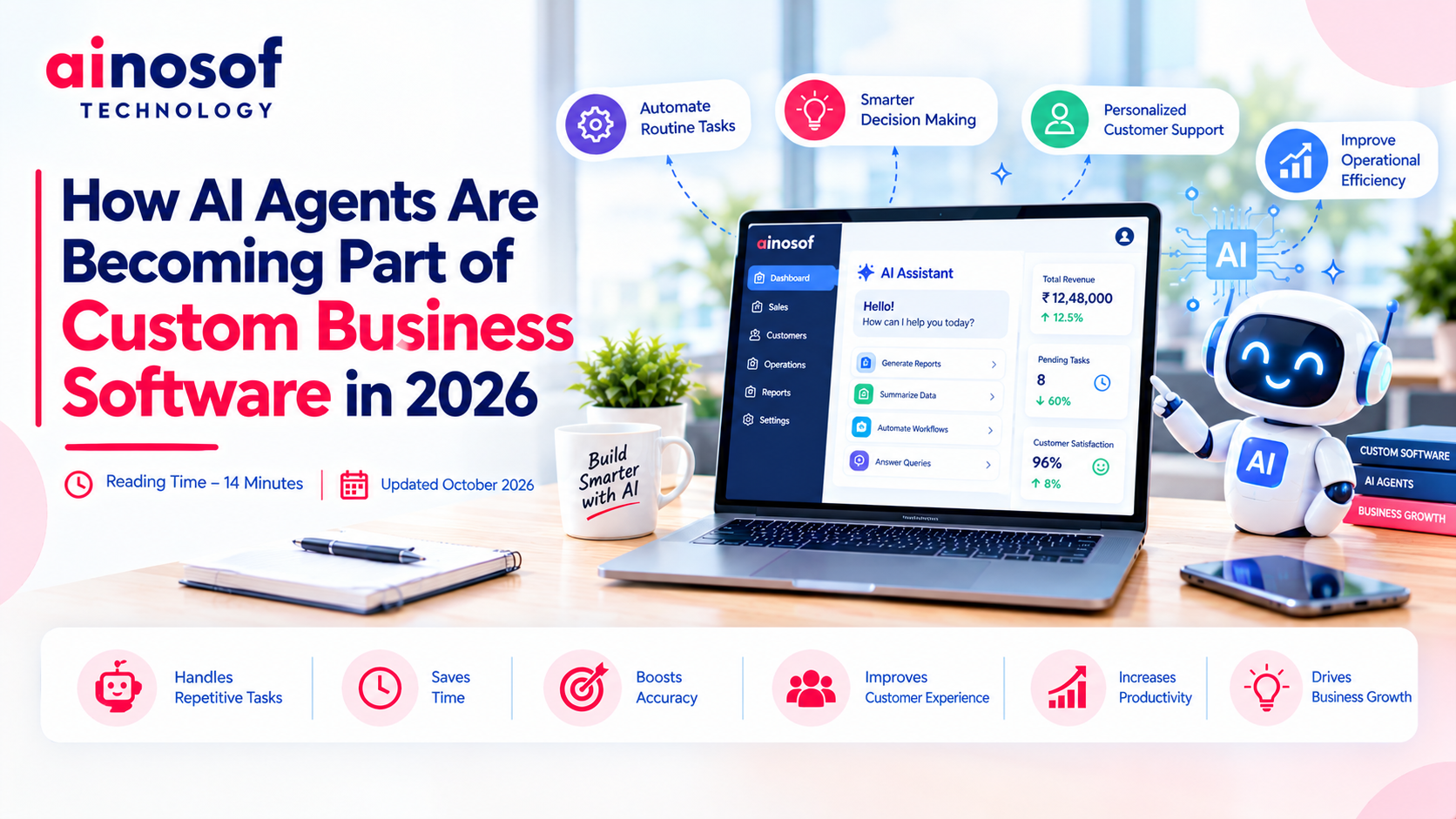 How AI Agents Are Becoming Part of Custom Business Software in 2026
10 Oct, 2026
 Why Manual Attendance Tracking Is Costing Your Business Time and Money
09 Oct, 2026
Comment with an expert and get our answer.
Comment with an expert and get our answer.
Explore more insights related to this topic and discover useful perspectives, ideas and strategies from our latest articles.