What is LLM SEO and Why Is It Becoming Important for Business Visibility in 2026?
 Aakil Khan


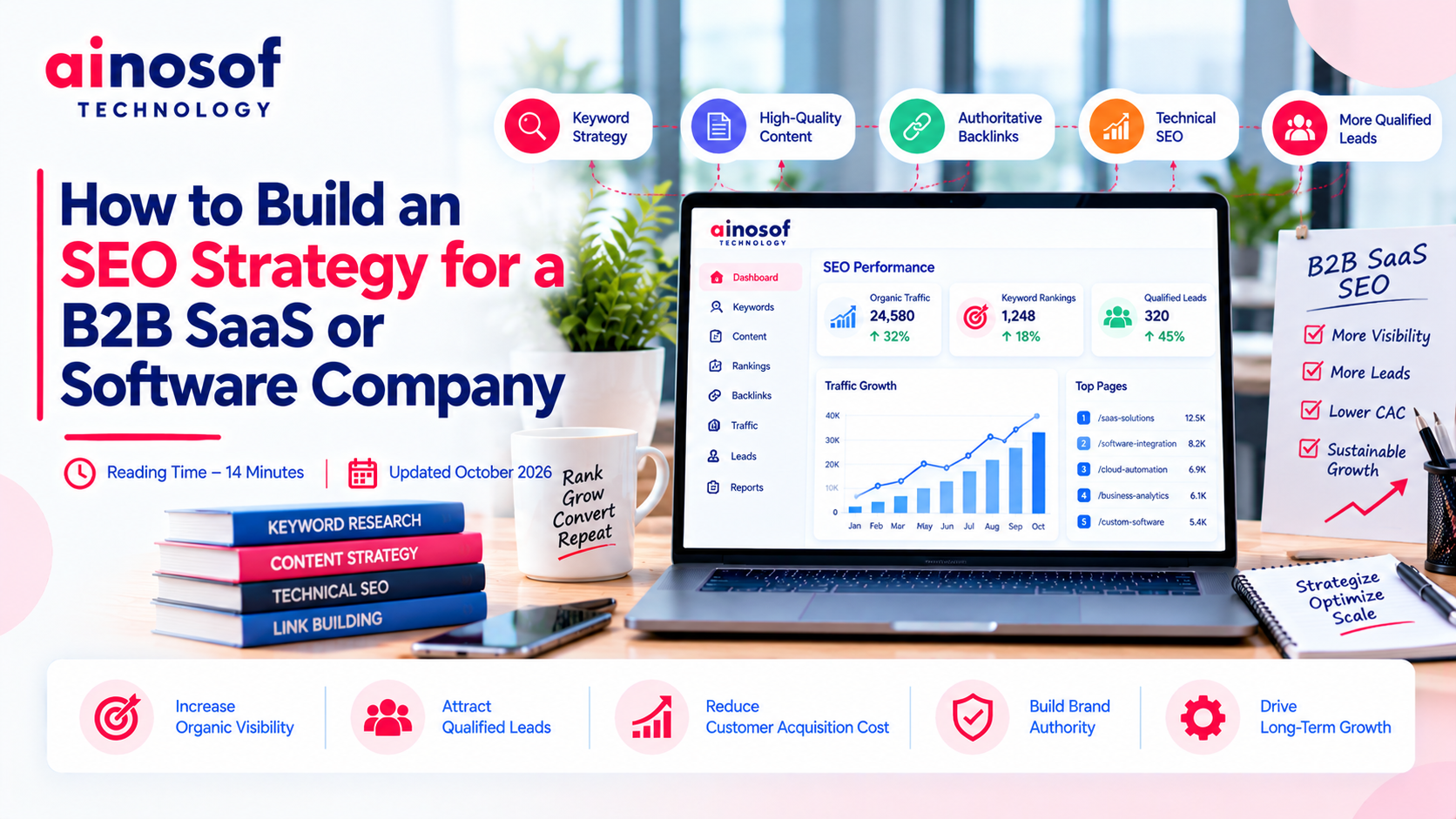
B2B SaaS and software companies often invest in website development, product features, and digital marketing but still struggle to generate consistent enquiries from organic search. A website may attract visitors without reaching the decision-makers who are actively looking for software solutions. In other cases, potential customers find the business but cannot understand why its services are relevant to their needs.
The problem is not always a lack of content or backlinks. It is often the absence of a clear SEO strategy connecting search intent, website pages, useful information, and business goals.
A well-planned SEO strategy helps software businesses reach relevant buyers, build credibility before the first sales conversation, and create a sustainable source of organic leads. This guide explains how to build that strategy, measure its performance, and decide when professional SEO services can support business growth.
Software buyers rarely make purchasing decisions after reading a single webpage. They may compare vendors, research technical capabilities, explore pricing, evaluate integrations, and discuss implementation with their teams before contacting a provider.
Without a focused SEO strategy, a software company can rank for searches that generate traffic but have little connection to its commercial goals. For example, informational visitors looking for a general software definition may have very different needs from business owners searching for a software development partner.
Traffic alone does not indicate whether a website is reaching potential customers. A software company may receive visits from students, job seekers, developers researching technical questions, or businesses outside its service scope.
The solution is to connect keyword selection with the audience's needs and purchasing stage. Commercial searches such as software development services, industry-specific software solutions, and SaaS platform requirements can indicate stronger buying intent than broad informational terms.
Businesses should also review whether landing pages answer the questions potential buyers actually have. If a page does not explain the problem solved, relevant capabilities, implementation approach, or next step, visitors may leave without enquiring.
SEO priorities should reflect the company's business model. A SaaS provider may want product demonstrations or free-trial registrations, while a custom software development company may prioritize project enquiries and consultation requests.
Before publishing content, define what a successful organic visit should achieve. Useful measures include qualified enquiries, demo requests, relevant landing-page conversions, and opportunities influenced by organic search.
These goals help teams distinguish between content that attracts attention and content that supports revenue.
A practical SEO strategy begins with understanding the target market, identifying relevant searches, and deciding which website pages should satisfy those searches. Software companies should prioritize work according to commercial value, current website performance, and available resources instead of attempting to optimize everything at once.
Start by identifying the people involved in purchasing decisions, their operational problems, and the language they use when searching for solutions.
Keyword research should cover three broad areas:
The primary keyword SEO services is relevant when discussing how a software company can improve its own search visibility. Secondary terms such as SEO agency India and SEO companies in India can support content for businesses comparing potential SEO partners.
These terms should appear where they match the reader's intent. They should not be inserted into unrelated software pages simply to increase keyword usage.
Organize keywords by intent and assign each important search theme to an appropriate page. This reduces competition between the company's own pages and gives search engines a clearer understanding of what each page offers.
Most businesses should begin with pages closest to a purchasing decision. These may include core product pages, software development service pages, industry-specific solutions, and pages explaining integrations or implementation support.
Educational articles can then address questions that arise earlier in the buying journey. For example, a business considering workflow automation may first research manual-process problems before comparing software solutions.
Prioritize pages using three questions:
A smaller collection of useful, well-connected pages can be more valuable than a large library of repetitive articles. Each page should have a distinct purpose and provide information that helps the reader make progress.
Technical SEO helps search engines access, crawl, and understand a website. Businesses should check indexing, page performance, mobile usability, broken links, redirects, canonical tags, and relevant structured data.
Useful content answers real buyer questions with practical explanations, clear evidence, and realistic guidance. Software companies should avoid publishing generic articles that repeat what every competitor already says. Product documentation, implementation experience, industry-specific use cases, and original insights can make content more valuable.
Internal links connect these elements. An educational article can link to a relevant software solution or service page, while a service page can direct visitors to supporting case studies, integration information, or implementation guides.
Together, these activities help build a website that is technically accessible, useful to prospective buyers, and easier to navigate.
Organic search creates an opportunity to reach potential customers, but the website must help those visitors take the next step. Conversion planning should be part of the SEO strategy from the beginning rather than an improvement postponed until traffic increases.
A strong landing page explains the business problem, identifies the intended customer, describes the proposed solution, and provides enough information to support further evaluation.
For a B2B software company, useful page elements may include:
Calls to action should match the page's purpose. A visitor reading an introductory guide may prefer a related resource, while someone comparing software providers may be ready to discuss requirements.
Businesses should also review enquiry forms, page navigation, mobile usability, and the clarity of their messaging. If potential buyers cannot understand the offer or contact the company easily, additional traffic may not improve lead generation.
Rankings and organic sessions are useful indicators, but they do not tell the complete story. A meaningful measurement framework connects search performance with the quality of business opportunities.
|
Metric |
What it helps evaluate |
|
Relevant organic traffic |
Whether the website attracts the intended audience |
|
Non-branded search visibility |
Whether new buyers can discover the business |
|
Landing-page conversion rate |
Whether pages encourage useful next steps |
|
Qualified organic enquiries |
Whether visitors match the company's target market |
|
Demo or consultation requests |
Whether search contributes to sales opportunities |
|
Organic-assisted opportunities |
Whether organic search supports longer buying journeys |
Review these metrics regularly and investigate changes rather than judging success by a single number. For example, a decline in traffic may be acceptable if irrelevant visits decrease while qualified enquiries improve.
B2B purchasing cycles can be lengthy, so attribution should account for the role organic search plays across multiple visits and interactions.
SEO requires a combination of technical understanding, keyword research, content planning, conversion analysis, and ongoing measurement. Some companies can manage these activities internally, while others benefit from external expertise.
The right decision depends on the team's skills, available time, growth targets, website complexity, and ability to execute a consistent strategy.
An in-house team may be suitable when the business has experienced SEO professionals, access to developers and subject-matter experts, and enough resources to maintain its strategy.
An agency may be more practical when the company needs broader expertise, technical support, content execution, or a structured process without hiring several specialists. A hybrid model can also work: internal teams contribute product knowledge while external specialists support research, optimization, and measurement.
When evaluating SEO services, look beyond promises of rankings. Ask how the provider will understand the business, prioritize opportunities, improve important pages, and report on qualified leads.
For companies comparing an SEO agency India or reviewing different SEO companies in India, relevant experience, transparent communication, realistic expectations, and a clearly defined scope of work are more useful than unsupported performance guarantees.
Before selecting an agency, assess whether its approach matches the company's market and commercial objectives.
A suitable provider should be able to explain:
Businesses should also clarify deliverables, reporting frequency, responsibilities, and the resources required from their own team. No agency can guarantee specific rankings or a fixed volume of qualified leads because search performance depends on multiple factors.
Ainosof Technology can be considered by businesses exploring digital growth and technology support. The important step is to assess any prospective partner against the company's specific requirements, expected outcomes, and available resources.
Building search visibility is one part of a broader digital growth strategy. Businesses can explore related Ainosof Technology resources on website development, custom software development, and digital marketing to understand how their website, software systems, and customer acquisition activities can work together.
Before expanding SEO activity, identify the pages and processes most closely connected to your business goals. A focused plan is easier to measure, improve, and sustain than disconnected marketing tasks.
A successful SEO strategy for a B2B SaaS or software company starts with understanding the buyer, not simply chasing rankings. The strongest approach connects relevant keywords with useful content, technically sound pages, clear conversion paths, and measurable commercial outcomes.
Businesses should prioritize the opportunities most likely to attract relevant decision-makers, then improve their strategy using evidence from search performance and lead quality. Whether the work is managed internally or supported by professional SEO services, consistent execution and realistic measurement matter more than shortcuts.
For businesses evaluating an SEO agency India or comparing SEO companies in India, the final decision should be based on strategic fit, transparent delivery, and the ability to connect SEO activity with meaningful business objectives. Ainosof Technology can be explored as a potential technology partner when assessing the digital support needed to move those objectives forward.
An SEO strategy is a structured plan for improving a website's visibility for searches relevant to its target buyers. It combines keyword research, technical optimization, useful content, internal linking, conversion improvements, and performance measurement to support business goals.
The timeline varies according to website condition, competition, content quality, authority, and implementation speed. Some improvements may become visible earlier, but building consistent organic visibility and qualified enquiries generally requires sustained work over several months. Results should be reviewed using both search and lead-generation metrics.
Companies should target a mix of problem-focused, solution-focused, product-specific, industry-specific, and commercial keywords. The best choices reflect the target customer's needs and purchasing stage rather than search volume alone.
Service pages explain what the company offers, whom it serves, and how its solutions address business problems. When they match relevant commercial search intent and provide clear next steps, they can help turn organic visitors into enquiries.
SEO can connect a business with people actively researching relevant problems and solutions. Targeted landing pages, credible information, relevant internal links, and clear calls to action help visitors assess the offering and decide whether to contact the company.
An in-house team may be suitable when the company has the necessary expertise and resources. An agency can provide broader skills and execution support when internal capacity is limited. Some businesses use a hybrid model based on their budget and objectives.
Compare relevant industry experience, strategy, technical capabilities, content quality, reporting, communication, scope, and measurement of qualified leads. Avoid selecting a provider solely because of low pricing or promises of guaranteed rankings.
Depending on the business's needs, services may include technical audits, keyword research, competitor analysis, on-page optimization, content strategy, internal linking, conversion recommendations, and performance reporting. The scope should be agreed upon according to business goals and existing website requirements.
 Why Your Business Website Should Integrate With Your Internal Software Systems
12 Oct, 2026
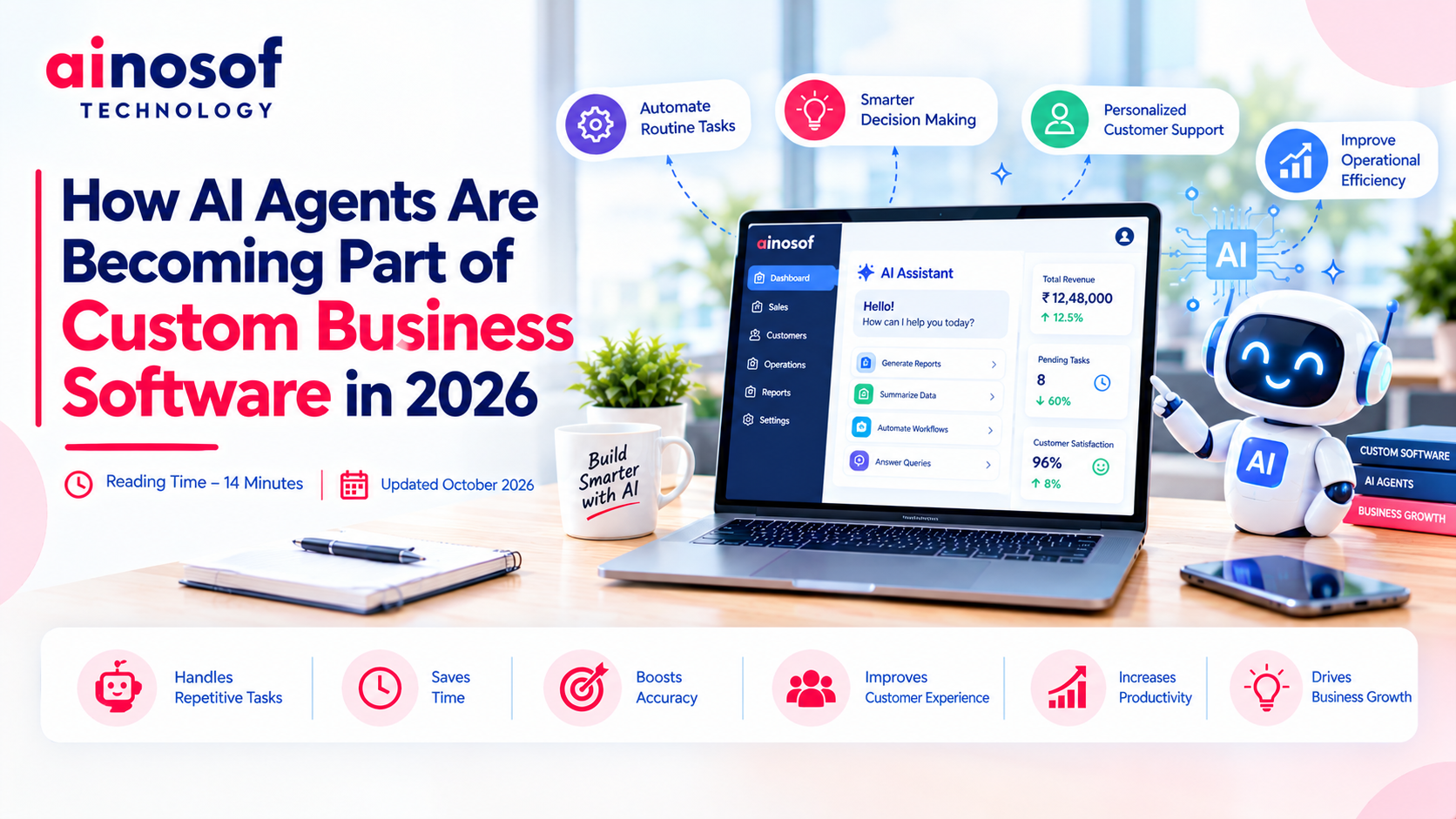 How AI Agents Are Becoming Part of Custom Business Software in 2026
10 Oct, 2026
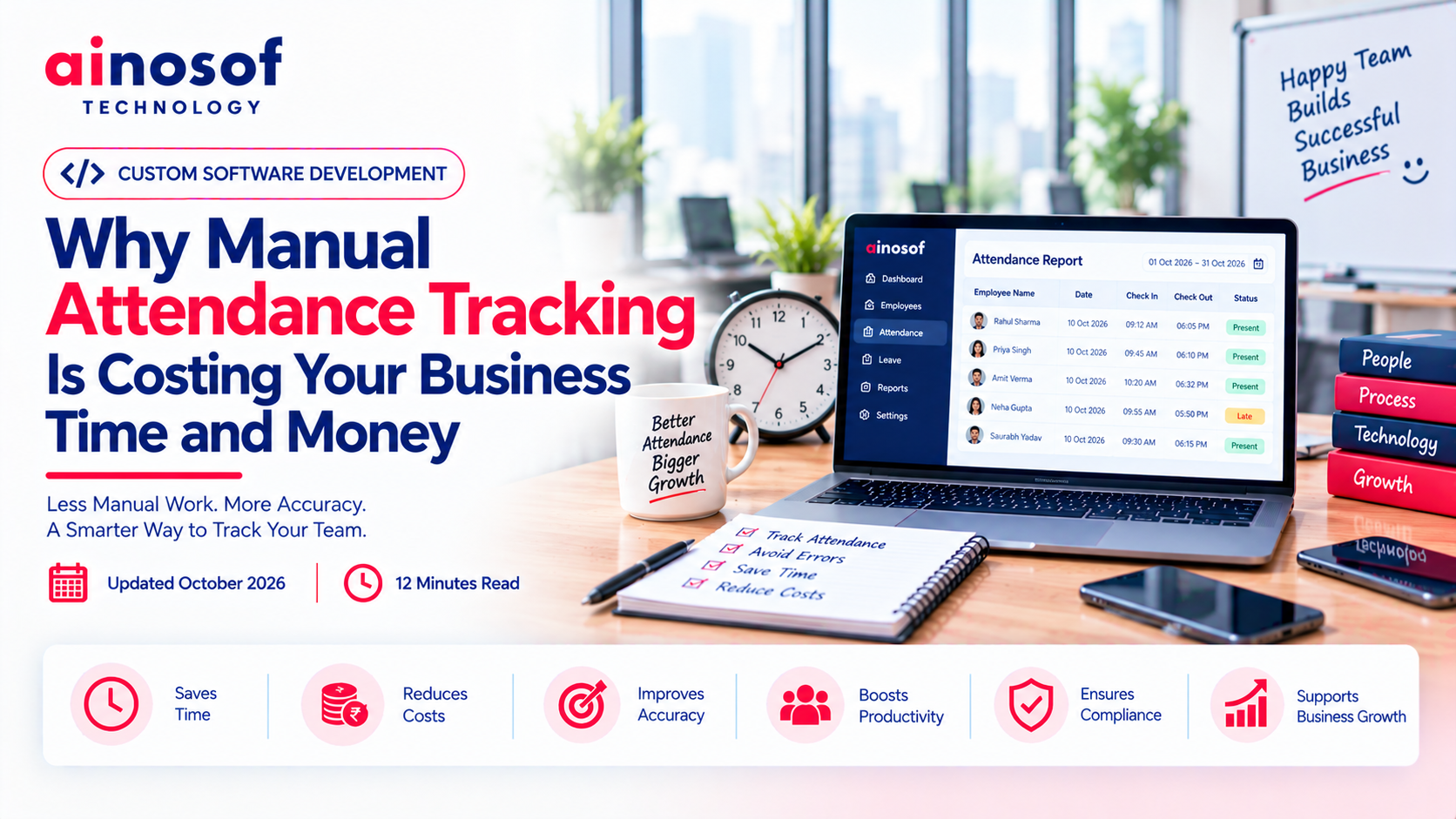 Why Manual Attendance Tracking Is Costing Your Business Time and Money
09 Oct, 2026
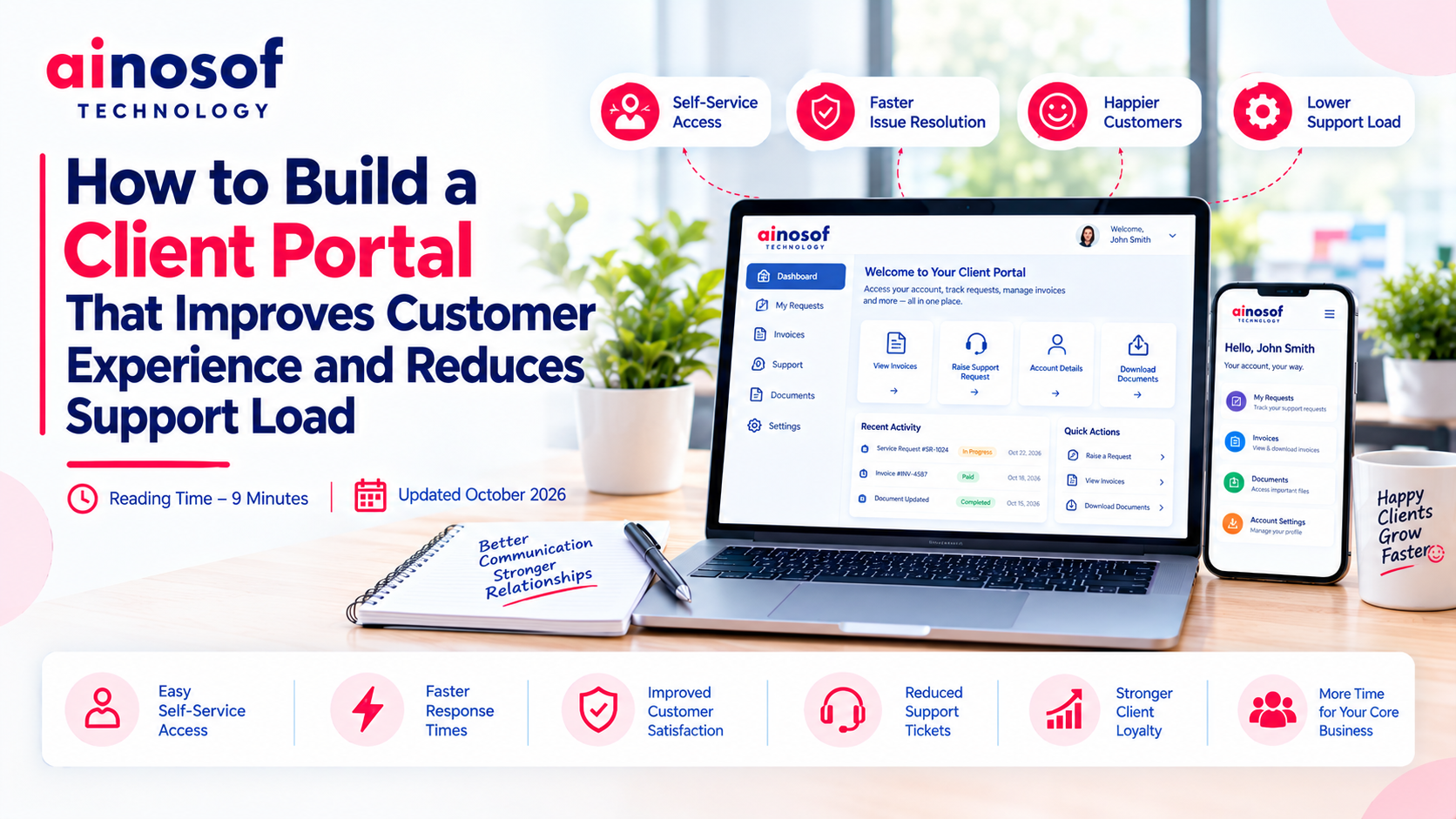 How to Build a Client Portal That Improves Customer Experience and Reduces Support Load
08 Oct, 2026
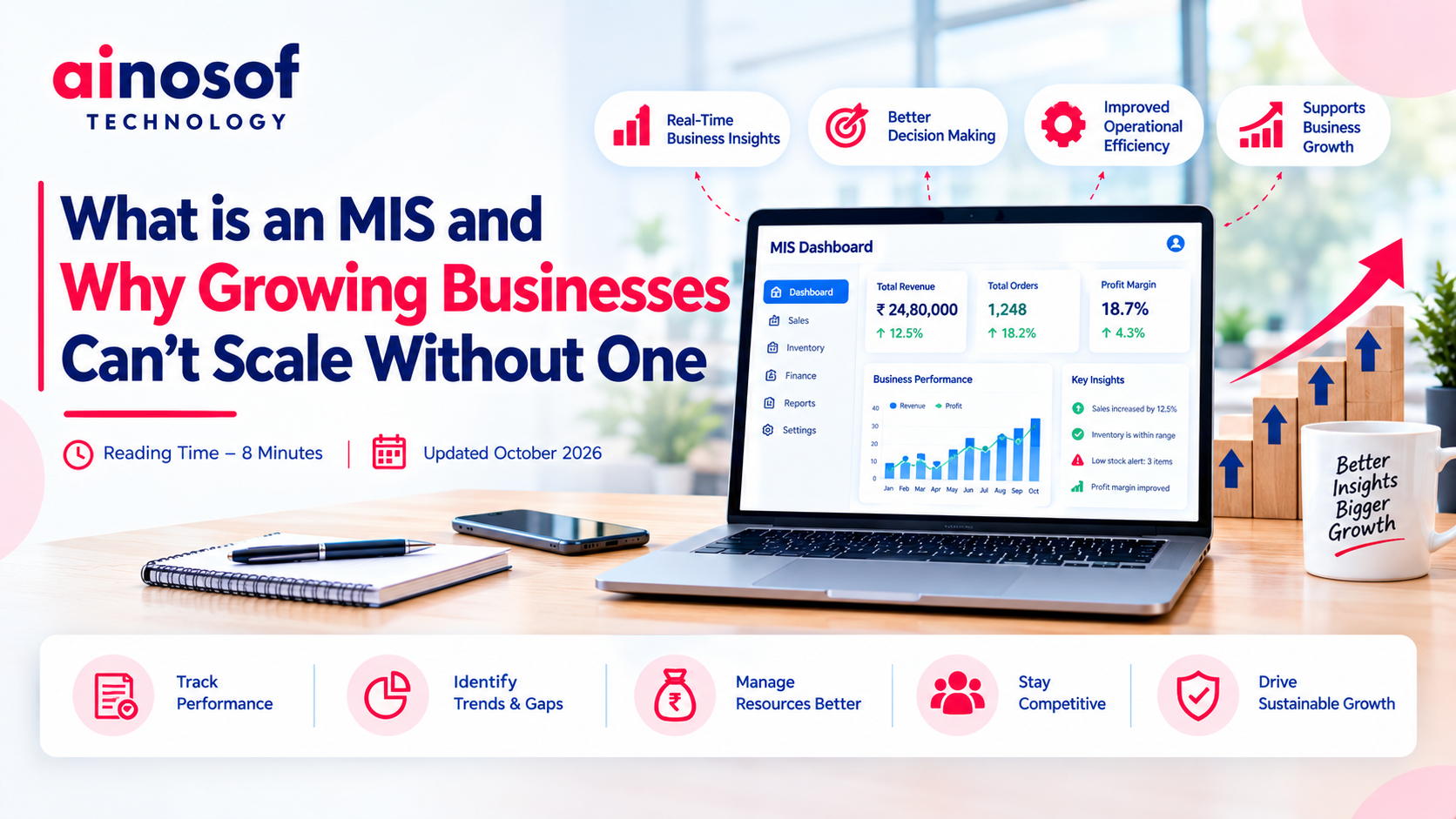 What Is an MIS and Why Growing Businesses Can't Scale Without One
07 Oct, 2026
 Billing Software: How It Helps Businesses Eliminate Invoice Errors and Delays
06 Oct, 2026
Comment with an expert and get our answer.
Comment with an expert and get our answer.
Explore more insights related to this topic and discover useful perspectives, ideas and strategies from our latest articles.