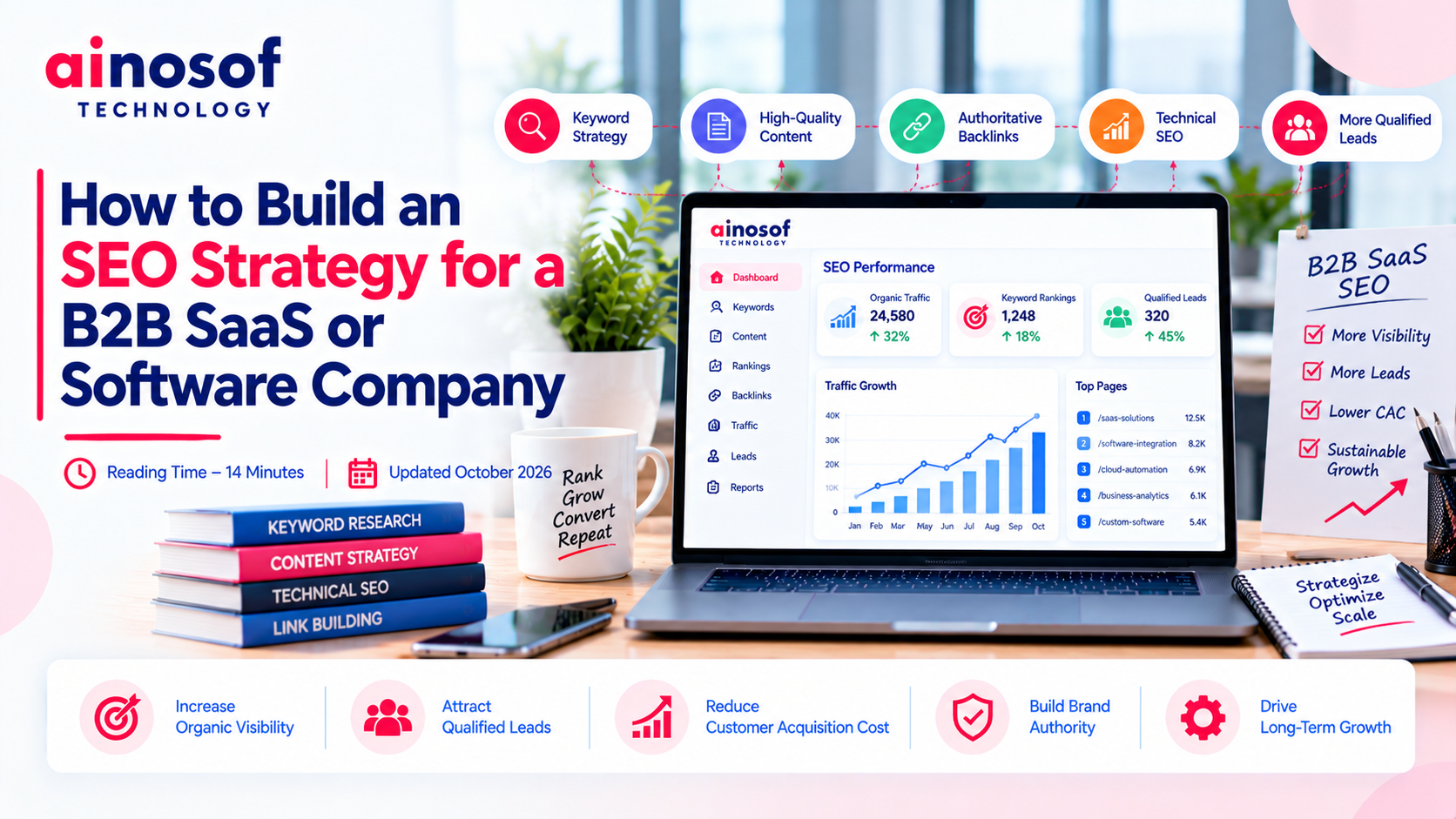
How to Build an SEO Strategy for a B2B SaaS or Software Company
 Aakil Khan



For many B2B companies, generating leads is not a problem of being present on just one platform. The bigger challenge is reaching potential buyers at different moments of their buying journey and giving them enough reasons to continue the conversation.
A decision-maker might discover your company through a LinkedIn post, visit your website to understand your expertise, search Google later when the need becomes more specific, and return to your website before contacting your sales team. If these touchpoints work independently, valuable opportunities can be lost between them.
This is why relying on only LinkedIn marketing for businesses or only SEO can leave gaps in a company's lead-generation process. LinkedIn can help businesses reach professional audiences and create interest, while SEO can help capture people who are already searching for solutions. The opportunity comes from connecting both rather than treating them as competing channels.
A well-planned LinkedIn and SEO for B2B lead generation strategy can turn individual marketing activities into a connected system. Instead of simply chasing impressions, followers, rankings, or website traffic, businesses can focus on moving the right prospects from awareness to research, trust, and eventually inquiry.
In this article, you will learn how LinkedIn and SEO can work together across the B2B buyer journey, how to connect LinkedIn content with your website and SEO strategy, how to create content without unnecessary duplication, and how to measure whether these efforts are contributing to real B2B opportunities.
B2B lead generation rarely happens through one marketing touchpoint. A potential customer may discover your company on LinkedIn, read your content, visit your website, search for your services later, and only then become ready to speak with your sales team.
When LinkedIn and SEO are managed separately, these interactions can become disconnected. The LinkedIn team may focus on posts and engagement while the SEO team focuses on rankings and organic traffic, without either side working toward the same lead-generation goal.
A stronger LinkedIn and SEO for B2B lead generation strategy gives each channel a clear job while connecting them to the same buyer journey.
LinkedIn gives B2B companies an opportunity to reach professionals and decision-makers before they have necessarily started searching for a specific solution.
This makes LinkedIn useful for creating awareness around a business problem, sharing expertise, introducing solutions, and staying visible among a relevant professional audience.
For example, an industrial software company can publish a LinkedIn post explaining why manual order processing creates delays. A production manager who has experienced the same problem may recognise the issue even though they were not actively searching for software that day.
This is where LinkedIn marketing for businesses can create demand. The company is not waiting for the buyer to search. It is bringing a relevant business problem into the buyer's attention.
LinkedIn can also help businesses demonstrate the people and expertise behind the company. Insights from founders, sales teams, technical specialists, and subject-matter experts can make the business feel more familiar and credible.
The important point is that LinkedIn is not simply a platform for collecting followers. It can help a B2B company become visible before a buying decision has fully formed.
SEO serves a different situation. Instead of reaching people based mainly on professional interests or content engagement, it can help a business appear when potential buyers are actively searching for answers, products, services, or solutions.
Consider a buyer who has already identified a problem and searches for:
“ERP software for manufacturing companies”
or
“B2B website development company”
That person has demonstrated a level of intent that may not exist when someone simply sees a LinkedIn post.
A strong SEO strategy can help your company appear during these research moments through useful service pages, guides, comparison content, case studies, and other relevant resources.
For example, someone may first notice a company through LinkedIn but later use Google to research the company's service in more detail. If the company has useful SEO content available, it has another opportunity to remain part of the buyer's consideration.
This is why SEO can capture existing search demand, while LinkedIn can help create awareness and interest around business problems.
Neither channel has to replace the other. Their value increases when they perform different jobs within the same lead-generation system.
B2B buyers do not always move directly from seeing a company to submitting an enquiry. They may need time to understand the problem, research possible solutions, compare providers, and build internal confidence before contacting a business.
LinkedIn and SEO can support different stages of this process.
LinkedIn can introduce an idea or business problem to the right professional audience, while SEO can provide deeper information when that prospect begins actively researching.
A B2B company can use LinkedIn to discuss the problems its target customers are already facing.
Instead of constantly promoting products or services, the company can share useful observations, industry challenges, customer questions, lessons from projects, and practical advice.
For example, a company providing CRM solutions could discuss how sales teams lose opportunities when customer information is spread across spreadsheets, emails, and different systems.
A sales manager who experiences this problem may see the post and recognise it immediately. They may not be ready to buy anything, but the company has now become associated with a problem that matters to them.
Later, that same person may search for ways to improve CRM processes. If the company's website contains a detailed resource addressing that problem, the buyer can encounter the business again through search.
This creates a useful connection:
LinkedIn introduces the problem → SEO supports deeper research.
That is much more valuable than measuring LinkedIn only by likes or SEO only by rankings.
Once a prospect moves from general awareness to active research, their behaviour can change.
They may search for:
This is where SEO can become particularly valuable.
A B2B company can create content around these search needs and connect informational resources with relevant commercial pages. The prospect can then move from learning about a problem to understanding the available solution and eventually evaluating the company.
For example, someone who first discovers an accounting software company through LinkedIn may later search for “how ERP reduces manual accounting work.” A useful SEO article can answer that question and then guide the reader toward a relevant ERP service page.
The buyer does not need to follow a perfectly predictable path. The important thing is that useful information is available whenever they move to the next stage.
A strong B2B digital marketing strategy India should therefore account for both behaviours: people who need to be introduced to a problem and people who are already searching for its solution.
Using LinkedIn and SEO together does not mean posting a LinkedIn article and adding a random website link underneath it.
The connection should be based on relevance. LinkedIn should create enough interest for someone to want deeper information, and the website should provide that deeper information in a useful way.
This creates a path from professional attention to meaningful website engagement.
A LinkedIn post can start with one useful business insight rather than trying to explain everything.
The post might highlight a common problem, share an observation from the industry, explain a mistake, or provide one practical recommendation. If the reader wants more detail, the company can direct them to a relevant website resource.
For example, a manufacturing technology company could publish a LinkedIn post about the hidden cost of disconnected production and sales data. Instead of turning the post into a long product advertisement, it could point interested readers toward a detailed website resource explaining how integrated systems solve the problem.
The website then becomes the place where the reader can explore the subject in greater depth.
This approach makes the link useful rather than promotional.
The objective is to move a relevant person from:
“This problem sounds familiar.”
to:
“I want to understand how businesses are solving it.”
Then the website can help them move toward:
“This company may have the right solution for us.”
The relationship should work in the other direction as well.
When a company creates a useful SEO article, guide, comparison, case study, or industry resource, sales teams can use that content when communicating with prospects on LinkedIn.
Suppose a sales representative frequently receives questions about choosing between two software approaches. Instead of answering the same question from scratch every time, the company can publish a detailed resource on its website.
The sales representative can then use a LinkedIn post or direct conversation to share the relevant insight with prospects.
This gives sales teams something more valuable than a promotional brochure: useful information that helps the buyer make a decision.
It also allows the same business expertise to support marketing, SEO, LinkedIn, and sales instead of being created repeatedly for different channels.
The best content strategy is therefore not about producing more content. It is about making each useful business insight work harder across the customer journey.
One of the easiest mistakes is to create the same article for the website and then simply copy parts of it onto LinkedIn.
That approach may save time, but it does not take advantage of what each channel does well.
The better approach is to start with a business problem or buyer question and then adapt the underlying insight for each audience.
Start with topics that matter to your ideal customers rather than topics chosen only because they contain popular keywords.
Look for questions and problems that appear during the buying process.
For example, a B2B software company may identify a broader topic such as:
“Why businesses struggle with disconnected sales data.”
The SEO version could become a detailed resource explaining the causes, business impact, possible solutions, and evaluation considerations.
LinkedIn could approach the same subject differently by sharing one practical observation about how disconnected data affects sales teams.
The underlying business insight is the same, but the purpose is different.
SEO should help capture relevant searches and provide depth. LinkedIn should make the insight easy to discover, discuss, and share among professional audiences.
This approach helps businesses avoid publishing random topics simply to remain active.
A single business insight can become several useful pieces of content without becoming repetitive.
Imagine a company has identified that many B2B businesses struggle to convert website visitors into enquiries.
The core insight could become:
The content is not being copied. It is being reframed according to the purpose of each channel.
This creates a much stronger content ecosystem because LinkedIn can introduce the insight, SEO can capture related searches, the website can provide deeper information, and sales can use that information in real conversations.
The real advantage of combining LinkedIn and SEO is not producing twice as much content. It is turning one valuable business insight into multiple opportunities to reach and help the right B2B buyer.
For a B2B company, marketing performance should not be judged only by how many people saw a post or how much website traffic increased. The more important question is whether these activities are helping the business reach the right prospects and create genuine sales opportunities.
LinkedIn and SEO often influence different stages of a longer B2B buying journey. A prospect might discover your company on LinkedIn, visit your website, return through Google weeks later, and eventually submit an enquiry. If you only look at the final click, you may miss the contribution made by the earlier interactions.
A better measurement approach connects marketing activity with actual business outcomes.
LinkedIn metrics can show whether your content is reaching the right professional audience and creating meaningful interest.
Useful indicators include:
Follower growth can be useful, but it should not be the main success measure. A B2B company with thousands of followers may generate fewer opportunities than a company with a smaller audience made up of relevant decision-makers.
For example, an industrial software company may publish a post that receives 50,000 impressions but produces no meaningful business conversations. Another post may receive 5,000 impressions but bring several visits from manufacturing decision-makers and one qualified enquiry.
The second result may be much more valuable to the business.
This is why LinkedIn marketing for businesses should be measured according to the quality of attention it creates, not simply the size of the audience.
SEO measurement should move beyond rankings and organic traffic.
A business should track what happens after someone arrives through search.
Useful indicators include:
Assisted conversions are particularly important in B2B marketing.
Imagine a potential customer first discovers your company through a LinkedIn post. They do not inquire immediately. Two weeks later, they search Google for a relevant service, read one of your SEO articles, visit a service page, and then contact your sales team.
SEO may receive the final conversion credit, but LinkedIn played a role in the earlier discovery.
This is why businesses should avoid asking only, “Which channel generated the lead?”
A better question is:
“Which channels helped this buyer move toward becoming a qualified opportunity?”
This approach gives a more realistic view of LinkedIn and SEO for B2B lead generation and helps businesses invest based on business outcomes rather than surface-level metrics.
Continue Your Business Development Journey
Building a reliable B2B lead-generation system requires more than posting on LinkedIn or publishing SEO articles individually.
Review how your LinkedIn marketing, SEO, website content, landing pages, and sales process work together. Identify where potential buyers discover your business, where they look for more information, and where they may lose confidence or stop moving forward.
You can then strengthen the parts of the journey that matter most—whether that means improving SEO content, creating more useful LinkedIn resources, developing stronger website pages, or improving the path from visitor to inquiry.
The goal is to build a digital system that keeps helping your business attract and educate potential buyers over time.
Conclusion
B2B companies do not have to choose between LinkedIn and SEO. The stronger opportunity is to give both channels a clear role in the same lead-generation strategy.
LinkedIn can create professional visibility and demand. SEO can capture active search demand. Your website can educate and build confidence. Sales can turn qualified interest into business conversations.
When these parts work together, a prospect does not have to discover your company through only one channel. They can encounter your expertise on LinkedIn, find deeper information through search, explore your website, and eventually reach your sales team with a better understanding of what your company offers.
That is the real value of combining LinkedIn and SEO for B2B lead generation.
The objective is not simply more followers, higher rankings, or more website visitors. It is creating a connected journey that helps the right B2B buyers discover your business, trust your expertise, and take the next step.
Neither channel is automatically better. LinkedIn can help create professional visibility and reach potential buyers, while SEO can capture people who are actively searching for relevant solutions. The stronger approach is often to use both according to their different roles.
Yes. LinkedIn can introduce business problems and demonstrate expertise, while SEO can provide deeper resources for prospects who are researching solutions. Connecting both through your website can create a more complete B2B buyer journey.
LinkedIn can help businesses reach decision-makers, share useful industry insights, create awareness around customer problems, and start professional conversations. Relevant LinkedIn content can also bring interested prospects to the company's website.
SEO helps a B2B company appear when potential customers search for problems, products, services, or solutions. Useful search-focused content can attract relevant visitors and guide them toward commercial pages and enquiries.
B2B companies can publish practical industry insights, customer problems, project lessons, expert opinions, useful data, common mistakes, and solutions to questions their target audience regularly faces. The content should provide value rather than constantly promote the company.
The timeframe varies by industry, audience, competition, content quality, website strength, and consistency. LinkedIn may create engagement and conversations relatively quickly, while SEO often requires more time to build organic visibility. B2B companies should evaluate progress over time rather than expect immediate results from either channel.
The right balance depends on the target audience and buying journey. If reaching specific decision-makers is a priority, LinkedIn may deserve greater attention. If customers actively search for the company's solutions, SEO can be highly valuable. In many cases, combining both creates a stronger system than choosing only one.
Track website visits, enquiries, qualified leads, sales opportunities, conversion rates, and channel-assisted conversions. LinkedIn should also be evaluated through relevant audience engagement and website visits, while SEO should be measured through organic leads and business outcomes rather than rankings alone.
LinkedIn activity can indirectly support SEO by increasing awareness of the company and its content, encouraging people to visit and engage with website resources, and helping useful content reach professional audiences. However, LinkedIn engagement itself should not be treated as a direct substitute for SEO work.
Start by identifying the target buyer, their business problems, and the questions they ask during research. Then assign LinkedIn and SEO different roles, create useful content for each channel, connect that content to relevant website pages, and measure qualified enquiries and sales opportunities.
A practical B2B digital marketing strategy India should focus on the complete buyer journey rather than treating individual channels as isolated activities.
 Why Custom Software Companies Need Strong Branding to Win Enterprise Clients
16 Oct, 2026
Why Custom Software Companies Need Strong Branding to Win Enterprise Clients
16 Oct, 2026
 How a CRM System Complements Custom Business Software for Better Sales Visibility
15 Oct, 2026
How a CRM System Complements Custom Business Software for Better Sales Visibility
15 Oct, 2026
 ERP vs Custom Software: Which One Does Your Business Actually Need?
14 Oct, 2026
ERP vs Custom Software: Which One Does Your Business Actually Need?
14 Oct, 2026
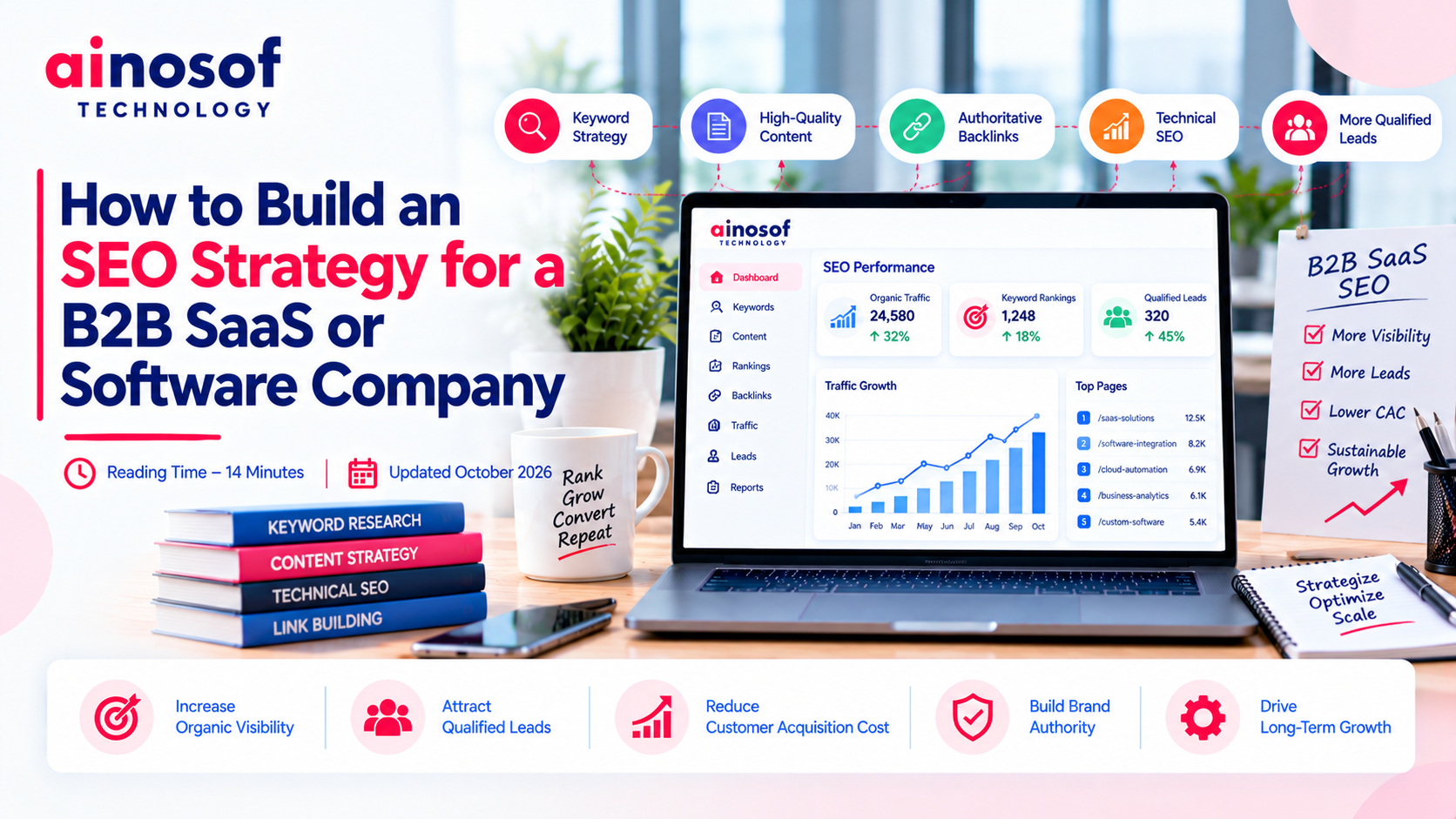 How to Build an SEO Strategy for a B2B SaaS or Software Company
13 Oct, 2026
How to Build an SEO Strategy for a B2B SaaS or Software Company
13 Oct, 2026
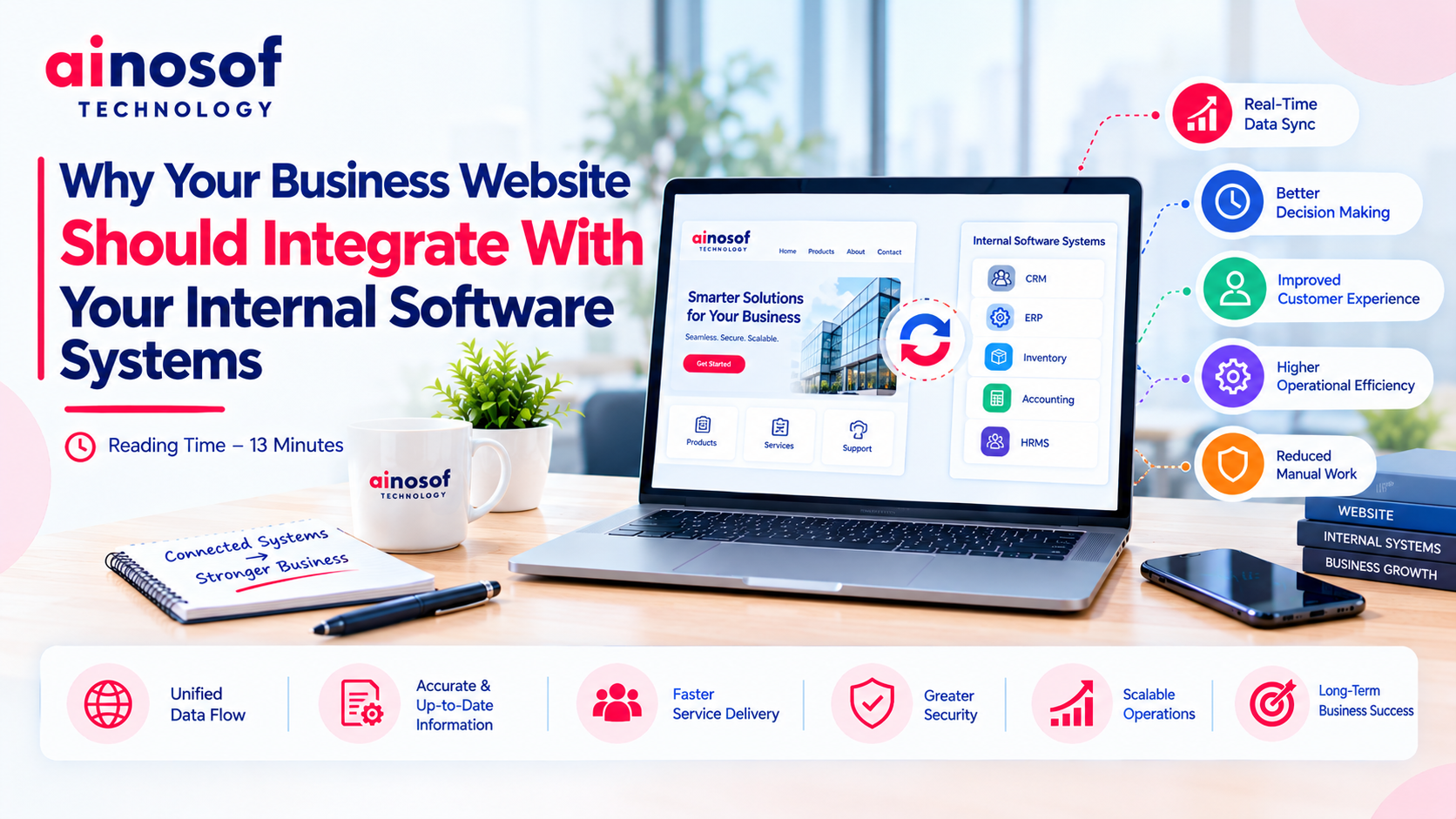 Why Your Business Website Should Integrate With Your Internal Software Systems
12 Oct, 2026
Why Your Business Website Should Integrate With Your Internal Software Systems
12 Oct, 2026
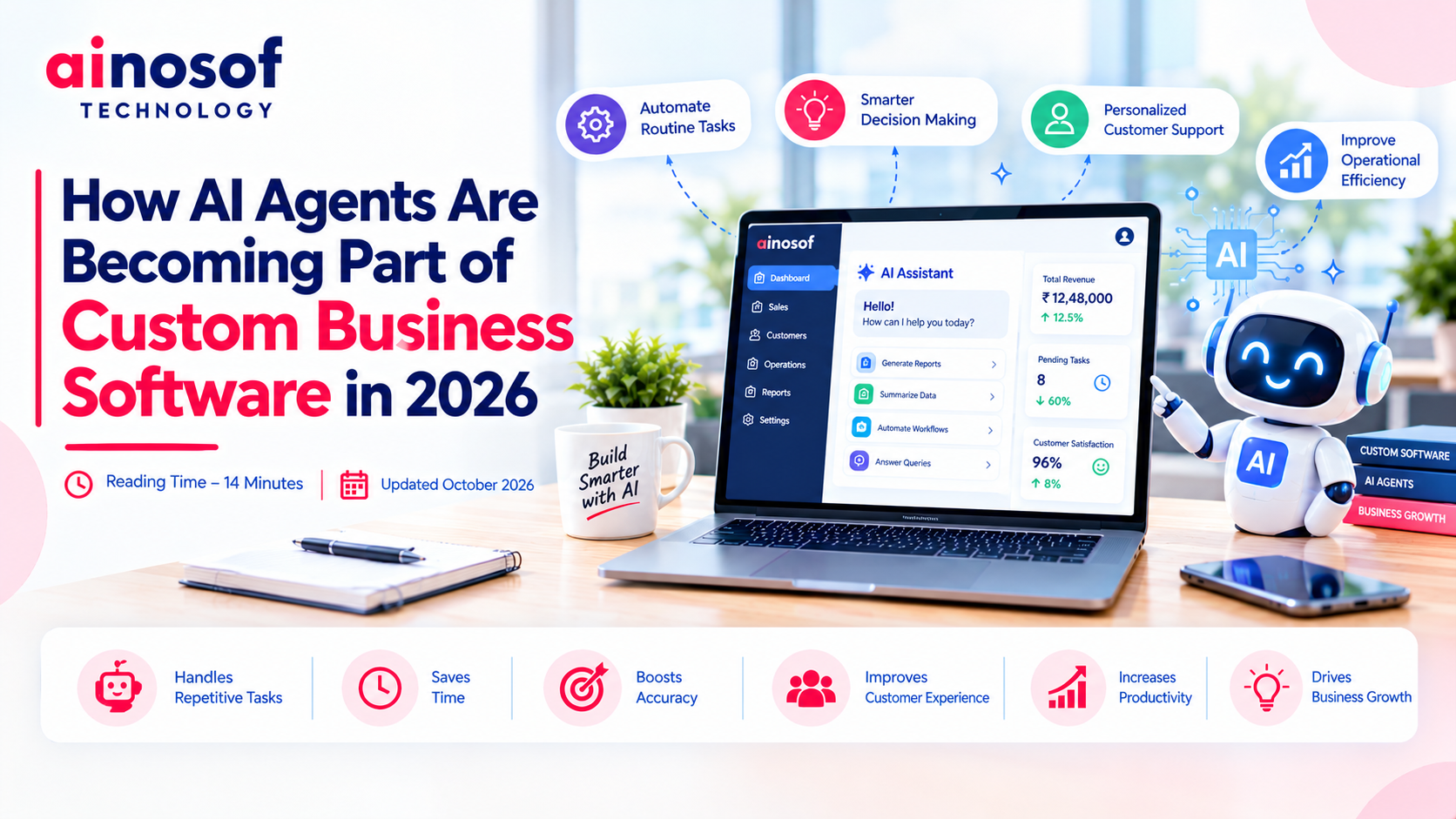 How AI Agents Are Becoming Part of Custom Business Software in 2026
10 Oct, 2026
How AI Agents Are Becoming Part of Custom Business Software in 2026
10 Oct, 2026
Comment with an expert and get our answer.
Comment with an expert and get our answer.
Explore more insights related to this topic and discover useful perspectives, ideas and strategies from our latest articles.