How a Professional Website Builds Credibility for Manufacturing and B2B Companies
 Shivam Kumar


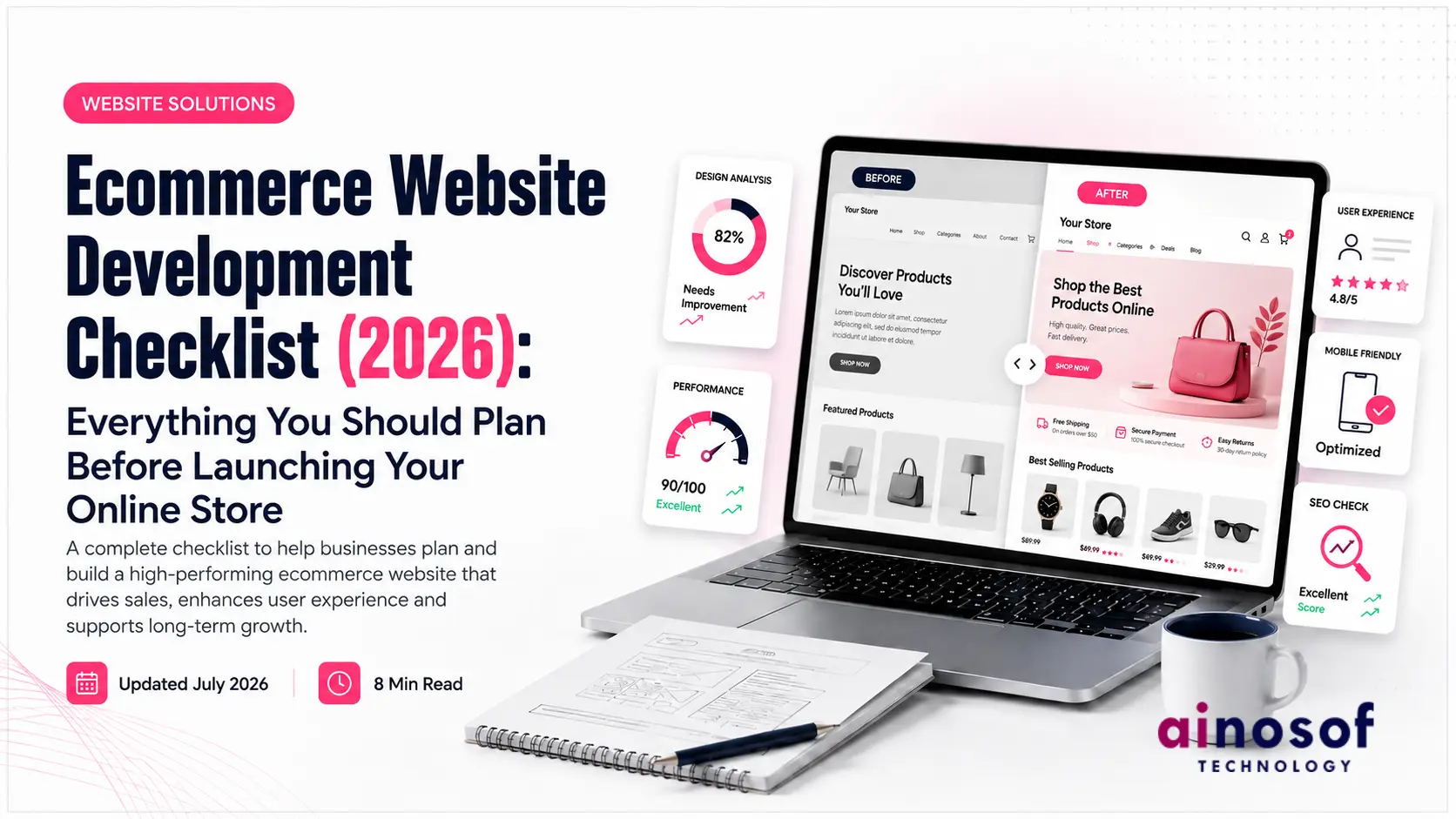
For businesses entering online commerce, an ecommerce website quickly becomes much more than another digital asset. It serves as a sales channel, a customer touchpoint, a brand representative, and an operational platform—all at the same time. From the moment a visitor discovers a product to the point they complete a purchase, every interaction with your website shapes their perception of your business.
Unlike a traditional business website that primarily communicates information, an ecommerce website is expected to facilitate transactions while creating a shopping experience that feels simple, reliable, and trustworthy. Customers expect to find products effortlessly, compare options confidently, complete payments securely, and receive timely updates after placing an order. Every stage of this journey influences not only whether a purchase is completed, but also whether a customer chooses to return.
Many businesses begin ecommerce website development by selecting a platform, choosing a design template, or uploading products. While these activities are essential, they represent only the execution phase of a much larger business decision. Without careful planning, businesses often encounter challenges such as confusing product structures, inconsistent customer experiences, abandoned shopping carts, operational inefficiencies, and websites that struggle to support future growth.
Developing an ecommerce website requires a clear understanding of your customers, products, business processes, and long-term objectives before development begins. The decisions made during the planning stage influence how efficiently the website operates, how effectively it supports online sales, and how well it adapts as the business expands.
This Ecommerce Website Development Checklist has been created to help businesses prepare for those decisions. Whether you are launching your first online store, expanding an existing retail business into ecommerce, or rebuilding an outdated ecommerce platform, this guide will help you plan a website that supports both immediate sales and sustainable business growth.
What Makes an Ecommerce Website Different from Other Business Websites?
Every business website represents an organisation online, but not every website is expected to generate revenue directly. This distinction fundamentally changes the way an ecommerce website should be planned, developed, and managed.
A business website is primarily designed to communicate. It introduces visitors to the organisation, explains its services, showcases expertise, and encourages enquiries. Success is often measured by how effectively the website builds credibility and converts visitors into potential customers.
An ecommerce website has a broader responsibility. It must not only communicate but also facilitate decisions, process transactions, and support business operations. Every product page, search result, shopping cart, and checkout screen contributes directly to the customer's buying experience. Unlike a service enquiry that may involve several conversations before a decision is made, ecommerce websites are expected to remove uncertainty immediately and enable customers to complete purchases with confidence.
This difference influences every aspect of ecommerce website development. Information architecture must help customers locate products quickly. Product pages should answer buying questions before they are asked. Navigation must reduce effort rather than create it. Payment systems, inventory management, order processing, and customer communication all become integral parts of the website rather than separate business functions.
Before investing in development, businesses should evaluate whether their website is prepared to support the complete ecommerce journey—not simply the process of displaying products online.
Is the Website Designed Around the Customer's Buying Journey?
Customers rarely visit an ecommerce website with the intention of exploring every page. Most arrive with a specific objective, whether it is finding a product, comparing alternatives, checking availability, or completing a purchase.
An effective ecommerce website anticipates these intentions and removes unnecessary barriers at every stage of the buying journey. Instead of forcing visitors to search for information, it presents products logically, answers common questions proactively, and guides customers towards confident purchasing decisions.
This requires much more than attractive product pages. Businesses should consider whether customers can:
When these experiences are planned deliberately, the website becomes a reliable sales environment rather than simply an online catalogue.
In physical retail, customers can examine products, interact with staff, and evaluate a business before making a decision. Ecommerce removes these personal interactions, placing greater responsibility on the website to establish confidence independently.
Customers continuously assess whether a business appears trustworthy. They notice how product information is presented, whether policies are transparent, whether payment options appear secure, and whether support information is easily available. Even seemingly small details contribute to the overall perception of credibility.
An ecommerce website should therefore communicate trust through every interaction rather than relying on promotional claims alone. Clear product descriptions, authentic customer reviews, transparent pricing, secure payment methods, accessible support channels, and consistent branding all help reduce uncertainty before customers commit to a purchase.
Trust is rarely established through a single feature. It develops gradually as customers experience clarity, consistency, and reliability throughout their buying journey.
One of the most overlooked aspects of ecommerce website development is product discovery.
Businesses often organise products according to internal categories, supplier structures, or inventory systems. Customers, however, search differently. They think in terms of problems they want to solve, products they need, brands they recognise, or features they value.
When product organisation reflects internal business logic rather than customer behaviour, visitors spend more time searching and less time buying.
A well-planned ecommerce website bridges this gap through intuitive navigation, meaningful product categories, intelligent search functionality, practical filters, and helpful product recommendations. These elements work together to reduce effort and help customers reach purchasing decisions more efficiently.
The easier it becomes to find the right product, the easier it becomes to build a profitable ecommerce business.
Is the Website Supporting Your Operations as Well as Your Customers?
An ecommerce website is often viewed from the customer's perspective, yet it also serves as an operational system that influences daily business activities.
Every order placed online affects inventory, payments, shipping, customer communication, returns, and reporting. As order volumes increase, manual processes that once appeared manageable can quickly become obstacles to growth.
Planning operational requirements before development allows businesses to integrate essential processes from the beginning instead of introducing temporary workarounds later. This creates greater efficiency internally while delivering a more consistent experience externally.
An effective ecommerce website should simplify business operations as much as it simplifies online shopping.
Many ecommerce businesses launch with a modest product catalogue, a limited customer base, and straightforward operational requirements. Success, however, changes those requirements quickly.
Additional product categories, increased website traffic, expanding delivery regions, multiple payment methods, promotional campaigns, and marketplace integrations all place greater demands on the website.
Planning for scalability does not mean building unnecessary complexity from the beginning. It means developing an ecommerce platform with the flexibility to accommodate growth without requiring fundamental redevelopment every few years.
The most successful ecommerce websites are not built for today's catalogue or today's sales volume. They are designed to support the business your organisation is working towards becoming.
An ecommerce website should not be planned around products alone. It should be planned around the way customers make purchasing decisions.
Every online purchase begins long before a customer reaches the checkout page. People search for products, compare alternatives, evaluate brands, read reviews, check delivery options, and look for reassurance before they decide to buy. Each interaction influences their confidence and determines whether they continue with the purchase or leave the website.
This means ecommerce website development is not simply about creating pages for products. It is about designing a digital environment that supports customers throughout their buying journey while making it easy for them to move from curiosity to confidence and from confidence to conversion.
Businesses that understand this journey before development begins are better positioned to create websites that meet customer expectations, reduce friction, and encourage long-term loyalty rather than one-time transactions.
The first challenge for any ecommerce website is helping customers find relevant products quickly.
Unlike a physical store where staff can guide shoppers, an online store depends entirely on its navigation, search functionality, and product organisation. If customers struggle to locate what they need within the first few minutes, many will simply continue their search elsewhere.
This is why product discovery should be considered during the planning stage rather than after development is complete.
Businesses should evaluate whether customers can easily browse products through:
The objective is not to display every available product. It is to help customers reach the right product with the least possible effort.
Every product page should help customers make informed purchasing decisions without requiring additional assistance.
When product information is incomplete or difficult to understand, customers naturally hesitate. They compare other websites, contact support teams, or postpone their purchase altogether.
An effective ecommerce website anticipates these concerns by providing information that supports confident decision-making.
Depending on the product, this may include:
The more effectively a website answers buying questions, the less uncertainty customers experience during the purchasing process.
Customers rarely decide whether a business is trustworthy based on a single page.
Instead, they form opinions gradually as they move through the website. Every interaction contributes to their overall perception, from browsing products to reviewing shipping information and completing payment.
Small inconsistencies often create unnecessary doubt. Missing contact information, unclear return policies, unexpected delivery charges, or complicated checkout processes can all weaken customer confidence, even when the products themselves are appealing.
An ecommerce website should therefore be designed to provide reassurance throughout the buying journey by maintaining consistency, transparency, and clarity across every customer interaction.
Trust is not created at checkout. It is built from the moment a visitor lands on your website.
The checkout process represents the final stage of the customer's buying journey, yet it is often one of the most overlooked areas during ecommerce website planning.
Businesses frequently invest considerable effort in attracting visitors but unintentionally create unnecessary obstacles when customers are ready to complete their purchase. Complicated forms, mandatory account creation, limited payment options, or unclear delivery information can interrupt momentum at the very moment customers intend to buy.
A well-planned checkout experience focuses on removing friction rather than introducing additional steps.
Before development begins, businesses should consider whether the checkout process will:
Every additional barrier introduced during checkout increases the likelihood of an abandoned purchase.
The buying journey does not end when payment is completed.
For many businesses, the post-purchase experience determines whether customers become repeat buyers or simply one-time purchasers.
Order confirmations, shipping updates, delivery notifications, return processes, customer support, and follow-up communication all contribute to the overall experience customers associate with your brand.
Planning these interactions before development helps businesses create a more consistent customer experience while reducing support enquiries and strengthening long-term customer relationships.
An ecommerce website should support the complete customer journey—not simply the transaction itself.
Successful ecommerce websites are rarely the result of good design alone. They are the outcome of thoughtful planning that considers how the business will operate, how customers will interact with the website, and how both are likely to evolve over time.
Many businesses approach ecommerce website development with immediate objectives such as launching products, increasing online sales, or expanding into new markets. While these goals are important, they represent only the beginning of the website's lifecycle. As the business grows, customer expectations change, product catalogues expand, operational processes become more complex, and new sales opportunities emerge. A website that supports today's requirements may struggle to support tomorrow's ambitions if scalability has not been considered from the outset.
Planning for long-term growth does not require businesses to predict every future requirement. Instead, it requires building an ecommerce website that can adapt as those requirements develop.
Businesses naturally understand their products, categories, and operational workflows. Customers do not.
One of the most common planning mistakes is organising an ecommerce website according to internal business structures rather than the way customers think and shop. Product categories may reflect warehouse organisation, supplier classifications, or inventory systems, but these structures rarely align with customer expectations.
Before development begins, businesses should evaluate how customers search for products, compare alternatives, and make purchasing decisions. The website's navigation, product organisation, and content should support these behaviours rather than exposing customers to internal business complexity.
When an ecommerce website is designed around customer experience, visitors spend less time figuring out how the website works and more time exploring what the business offers.
An expanding product catalogue should create more opportunities for customers, not more confusion.
As businesses introduce new product lines, variations, or collections, maintaining a clear and logical information structure becomes increasingly important. Customers should be able to understand the relationship between products, compare alternatives confidently, and identify the most suitable option without unnecessary effort.
This requires more than assigning products to categories. Businesses should also consider how product attributes, filters, search functionality, comparison features, and related product recommendations work together to support purchasing decisions.
Well-organised product information benefits both customers and search engines by making products easier to discover, understand, and navigate.
Customer trust is established through consistency rather than individual website features.
Many businesses focus heavily on homepage design or promotional banners while overlooking the smaller interactions that influence purchasing decisions. Customers evaluate the entire experience, including product pages, pricing transparency, payment security, delivery information, customer support, and post-purchase communication.
Each interaction either reinforces confidence or introduces uncertainty.
Planning these trust-building elements before development ensures that every stage of the shopping journey reflects the same level of professionalism and reliability.
Customers may arrive because of your products, but they decide to purchase because they trust the experience your business provides.
Growth in ecommerce extends beyond increasing the number of products available online.
Businesses often expand into new customer segments, introduce additional payment options, partner with logistics providers, launch promotional campaigns, or begin selling across multiple regions. Each of these developments places new demands on the ecommerce platform.
Planning for scalability allows businesses to accommodate these changes without repeatedly restructuring the website or disrupting the customer experience.
A scalable ecommerce website should be capable of supporting business evolution as naturally as it supports day-to-day operations.
Customers rarely evaluate a business based on a single interaction.
They experience the website as a connected journey, moving between search results, category pages, product pages, shopping carts, checkout screens, confirmation emails, and customer support channels. Inconsistencies between these touchpoints can create confusion, even when each individual page appears well designed.
Consistency in navigation, messaging, branding, product presentation, and customer communication helps customers feel confident throughout the purchasing process.
An ecommerce website should behave like one continuous experience rather than a collection of individual pages.
The role of an ecommerce website continues to expand as businesses adopt new ways of reaching customers.
Many organisations now sell through marketplaces, social commerce platforms, mobile applications, physical retail locations, and business partnerships alongside their own online stores. The ecommerce website often becomes the central platform that connects these channels while maintaining consistent product information and customer experiences.
Considering these possibilities during the planning stage allows businesses to develop an ecommerce website that remains adaptable as new sales opportunities emerge.
An ecommerce website should not simply support online selling. It should provide the digital foundation that enables the business to grow wherever future customers choose to buy.
An ecommerce website is often viewed as a technical project involving design, development, and software implementation. In reality, successful ecommerce website development begins much earlier. It starts with understanding the business itself.
The decisions made before the first design is created often determine whether the website becomes a valuable business asset or simply another online store. Businesses that invest time in planning their objectives, customer experience, operational workflows, and long-term growth typically experience a smoother development process and achieve better results after launch.
Although every ecommerce business has unique requirements, the development process generally follows a structured sequence. Understanding these stages helps businesses make informed decisions, reduce unnecessary revisions, and ensure the finished website supports both current operations and future growth.
Every ecommerce business operates differently. Some manage a limited range of high-value products, while others maintain extensive catalogues across multiple categories. Some sell directly to consumers, while others serve wholesalers, distributors, or both.
For this reason, ecommerce website development should never begin with templates or design concepts. It should begin with understanding how the business operates.
Before planning the website, businesses should define:
When these foundations are clearly established, every subsequent development decision becomes more purposeful.
The way products are organised has a direct impact on how customers experience an ecommerce website.
Information architecture determines how products are grouped, how customers navigate between categories, and how easily they can locate relevant information. A poorly organised catalogue creates confusion, while a well-planned structure simplifies product discovery and supports better purchasing decisions.
During this stage, businesses should carefully plan:
A clear information architecture benefits both customers and search engines by making website content easier to explore and understand.
Visual design is important, but its primary purpose is to help customers make confident purchasing decisions.
An effective ecommerce website design balances aesthetics with usability. Every interface element should help customers understand products, compare options, and complete purchases without unnecessary effort.
This includes planning:
Good ecommerce design rarely attracts attention to itself. Instead, it allows customers to focus entirely on finding the right products and completing their purchase.
Once planning and design have been completed, development transforms those decisions into a fully functional ecommerce website.
This stage involves implementing the website's functionality, integrating business systems, and ensuring every component performs reliably across different devices and browsers.
Development typically includes:
While customers rarely notice good development, they immediately notice poor performance, security concerns, or technical issues that interrupt their shopping experience.
Launching an ecommerce website without comprehensive testing introduces unnecessary risks.
Even small issues such as incorrect pricing, broken checkout processes, missing product information, or inconsistent mobile experiences can affect customer confidence and reduce sales from the very first day.
Before launch, businesses should verify:
Testing should confirm that the website performs consistently under real-world conditions rather than simply demonstrating that individual features function independently.
Website launch should be viewed as the beginning of continuous improvement rather than the completion of the project.
Customer behaviour changes, product catalogues evolve, marketing strategies develop, and business priorities shift over time. An ecommerce website should adapt alongside these changes through ongoing analysis, optimisation, and refinement.
Regular improvements may include:
The most successful ecommerce websites are not those that launch perfectly. They are the ones that continue evolving alongside the businesses they support.
Selecting an ecommerce website development company is a long-term business decision rather than a one-time project purchase.
The company you choose will influence far more than the appearance of your online store. Their understanding of ecommerce strategy, customer experience, technology, scalability, and business operations will shape how effectively your website supports future growth.
Many businesses compare development companies primarily on pricing, timelines, or visual portfolios. While these factors deserve consideration, they provide only a partial picture. An ecommerce website is expected to support sales, marketing, customer service, inventory management, and operational workflows for years after launch. Choosing a development partner without evaluating these broader capabilities often results in a website that requires frequent modifications as business needs evolve.
Before making a decision, businesses should evaluate whether the development company understands not only website development but also the commercial realities of operating an ecommerce business.
Every ecommerce business has different objectives, customers, products, and operational processes.
A business selling customised industrial equipment requires a very different ecommerce strategy from a fashion retailer or a consumer electronics brand. Recommending the same platform, structure, or functionality for every business usually indicates a development-first approach rather than a business-first approach.
A professional ecommerce website development company should begin by understanding:
Only after understanding these factors should they recommend technologies, features, and development approaches.
A successful ecommerce website begins with understanding the business—not selecting the platform.
Launching an ecommerce website is only the beginning of its lifecycle.
As businesses expand, websites are expected to accommodate larger product catalogues, increased traffic, new payment methods, additional shipping partners, promotional campaigns, regional expansion, and evolving customer expectations.
Development decisions made today should reduce future limitations rather than create them.
When evaluating a development partner, businesses should understand how the proposed solution will accommodate future growth without requiring complete redevelopment.
Scalability is not simply a technical consideration. It is an investment in business continuity.
Technology enables an ecommerce website to function, but customer experience determines whether people choose to buy.
An experienced ecommerce website development company recognises that navigation, product presentation, mobile usability, checkout simplicity, and customer confidence influence commercial performance just as much as technical implementation.
Businesses should look for a development partner that considers questions such as:
Technology should support customer experience rather than compete with it.
Modern ecommerce businesses rarely operate through a single website.
Online stores often exchange information with inventory systems, accounting software, payment gateways, shipping providers, customer relationship management platforms, marketing tools, and analytics solutions.
A development company should understand how these systems work together and plan integrations that improve operational efficiency while maintaining a consistent customer experience.
The objective is not simply to connect software platforms. It is to create a business ecosystem where information flows accurately between every stage of the ecommerce operation.
An ecommerce website should empower the business rather than create unnecessary dependence on its development partner.
After launch, businesses regularly update products, pricing, promotional campaigns, inventory information, and website content. Routine activities should be manageable internally without requiring technical assistance for every small change.
Before selecting a development company, businesses should understand how content management, product administration, and day-to-day website maintenance will be handled after launch.
The best ecommerce websites are those that remain easy to manage as the business continues to grow.
Website launch marks the beginning of the relationship—not its conclusion.
As customer expectations evolve and business priorities change, ecommerce websites require ongoing improvements, technical maintenance, security updates, performance optimisation, and strategic enhancements.
A reliable ecommerce website development company should provide continued guidance rather than limiting its involvement to project delivery.
The right development partner doesn't simply build an ecommerce website. They help ensure the website continues creating value as the business grows, adapts, and competes in an evolving digital marketplace.
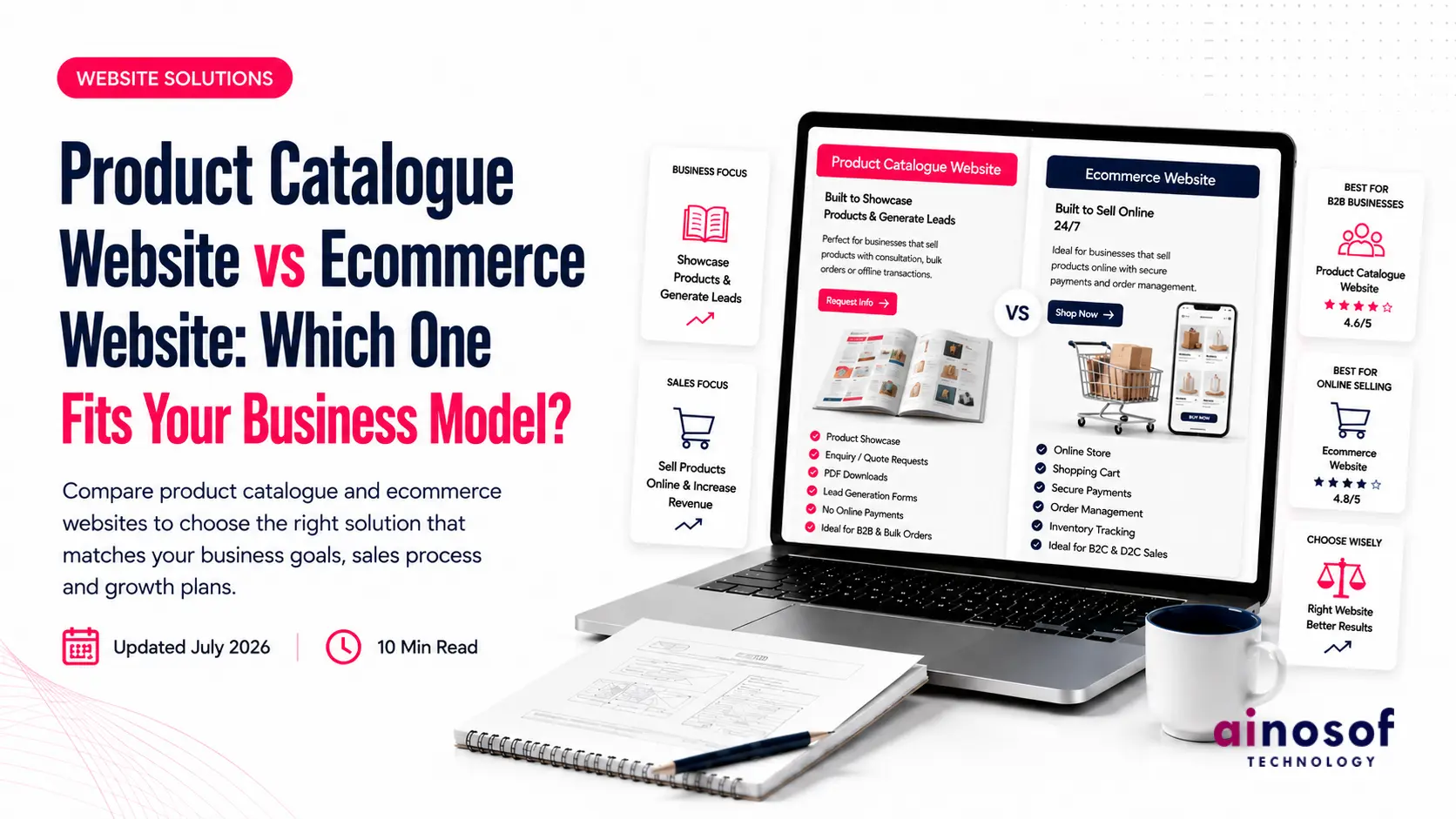
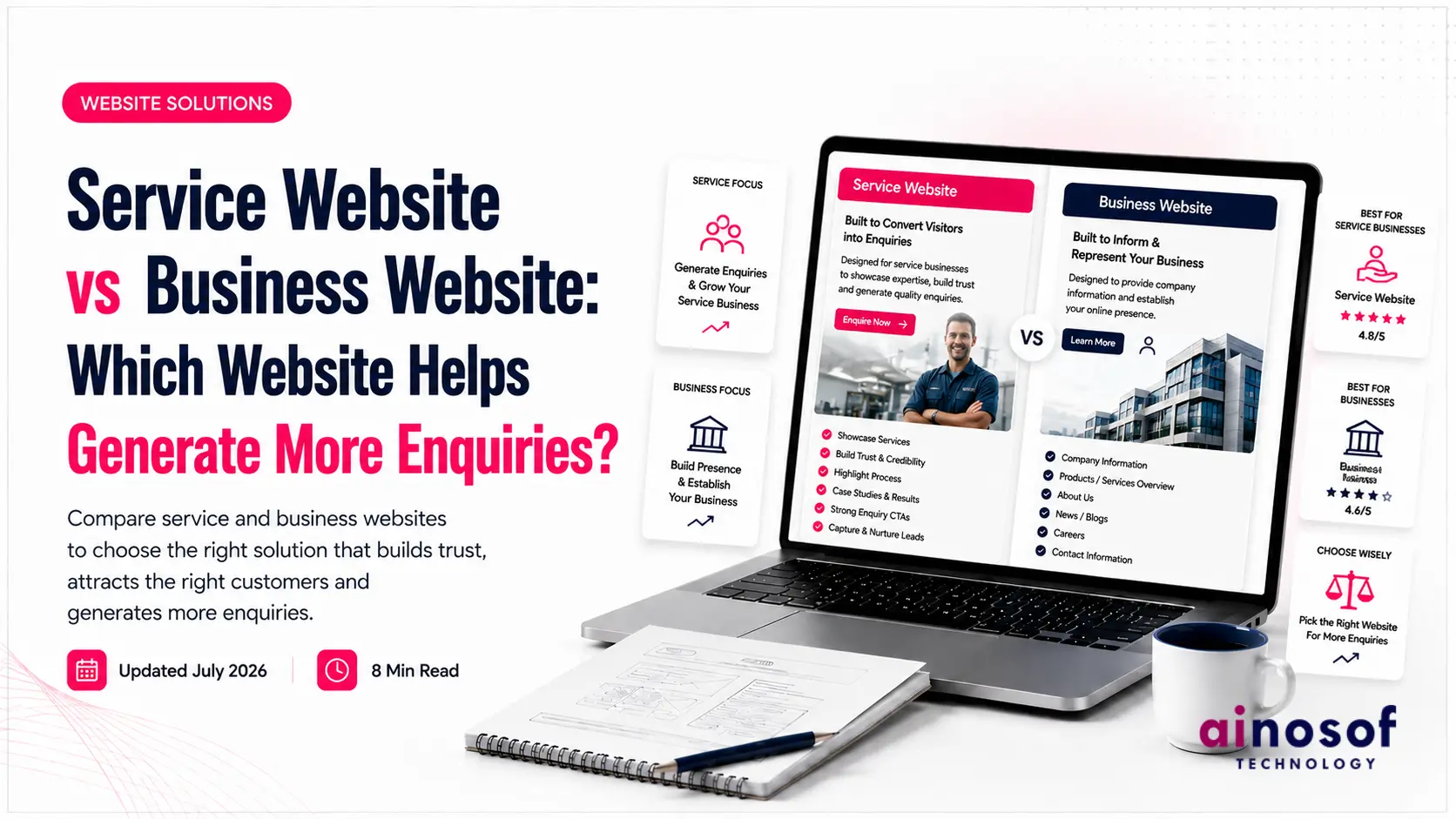
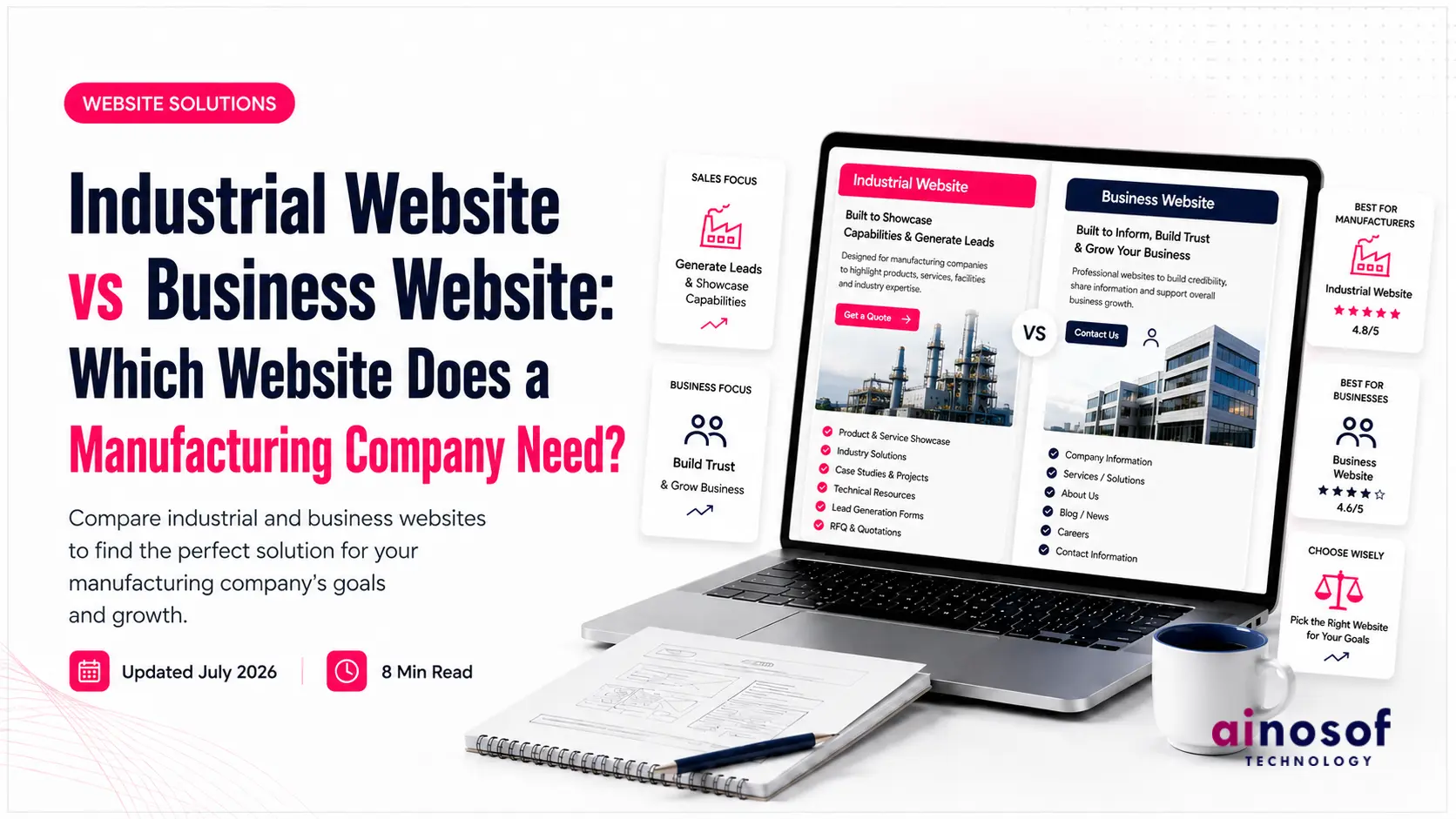
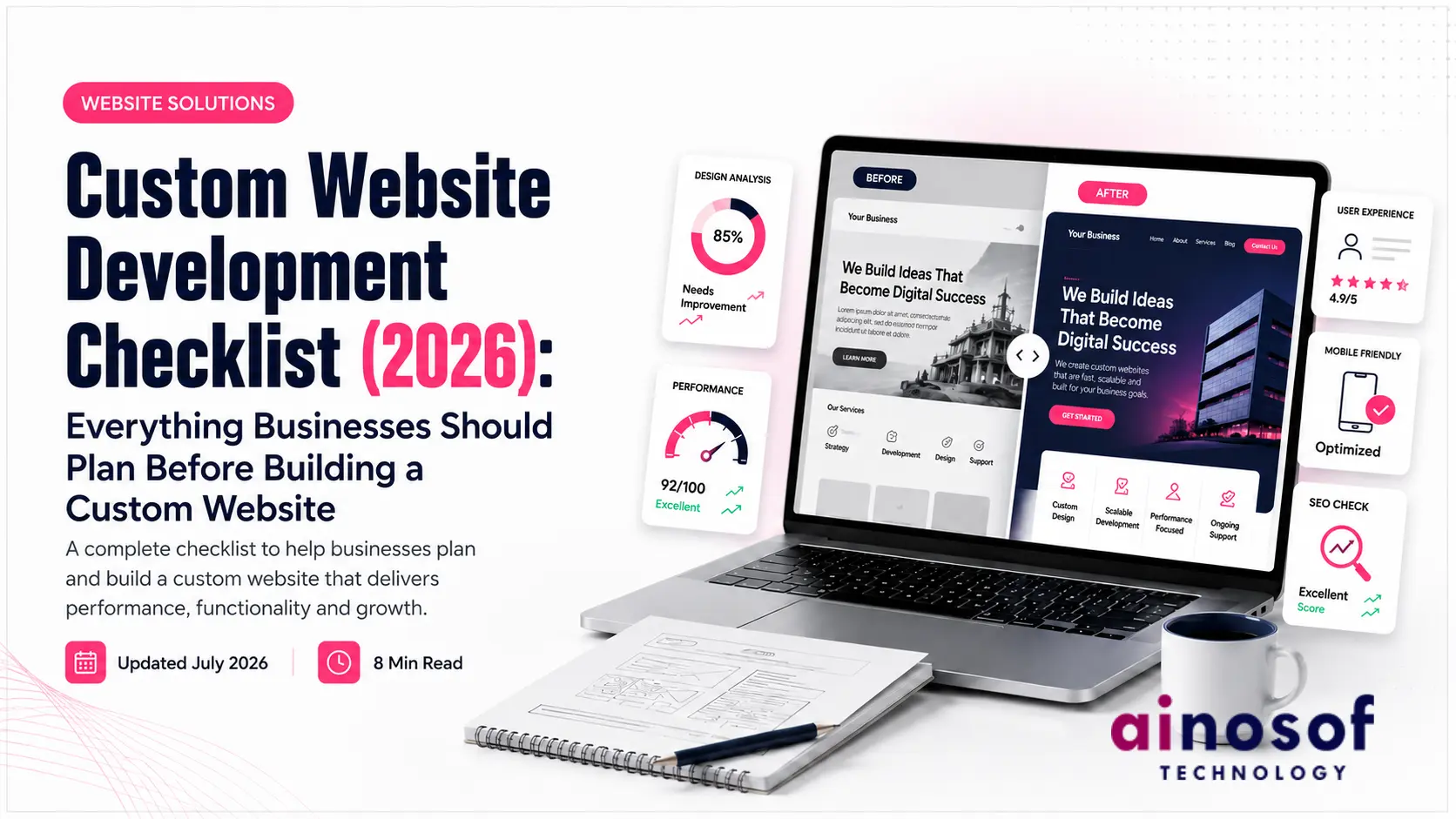
Planning an ecommerce website is only one part of building a successful digital presence. As businesses grow, they often need different types of websites to support changing objectives, customer expectations, and expansion strategies.
If you're exploring website development from a broader business perspective, the following guides can help you make more informed decisions before starting your next project.
Each guide explores a different aspect of website planning while following the same business-first approach to website development.
Before beginning ecommerce website development, make sure your business has considered the following planning areas.
A structured planning process helps businesses reduce development delays, improve customer experience, and create an ecommerce website that continues supporting growth long after launch.
Ecommerce website development is the process of planning, designing, developing, and maintaining an online store that enables businesses to showcase products, accept online payments, manage customer orders, and support the complete buying journey. It combines customer experience, business operations, and technology to create a secure and efficient online shopping platform.
A business website primarily provides information about a company, its services, and its expertise, whereas an ecommerce website allows customers to browse products, complete purchases, make payments, and manage orders online. Ecommerce websites require additional functionality to support commercial transactions and day-to-day business operations.
Before development begins, businesses should define their objectives, understand their target customers, organise their product catalogue, plan the customer buying journey, determine operational workflows, select appropriate payment and shipping solutions, and consider future scalability. Careful planning reduces development challenges and creates a stronger foundation for long-term growth.
There is no single platform that suits every business. The right choice depends on factors such as your business model, product catalogue, expected traffic, operational requirements, budget, integration needs, and long-term growth strategy. Platform selection should always follow business planning rather than precede it.
The development timeline depends on the complexity of the project, the size of the product catalogue, custom functionality, third-party integrations, content preparation, and approval processes. Businesses that complete their planning before development generally experience faster and more predictable project timelines.
An ecommerce website should evolve continuously. Product information, promotions, customer experience, website performance, security, and technical functionality should all be reviewed regularly to ensure the website continues meeting customer expectations and supporting business growth.
An ecommerce website is no longer simply an online storefront. For many businesses, it has become the centre of customer engagement, sales operations, and long-term digital growth.
Developing an ecommerce website therefore requires more than selecting a platform or designing attractive pages. It requires thoughtful planning, a clear understanding of customer behaviour, well-defined operational processes, and a website structure that can adapt as the business evolves.
Businesses that invest time in planning before development are better positioned to create online stores that are easier to manage, more effective for customers, and capable of supporting future expansion without constant redevelopment.
Whether you're launching your first online store or replacing an existing ecommerce platform, approaching the project with a long-term strategy will always deliver greater value than focusing only on short-term implementation.
The most successful ecommerce websites are not measured by the day they launch. They are measured by how effectively they continue supporting business growth, customer satisfaction, and commercial success in the years that follow.
 Why ERP is Becoming a Growth Necessity, Not Just a Back-Office Tool, for Indian SMEs
29 Sep, 2026
Why ERP is Becoming a Growth Necessity, Not Just a Back-Office Tool, for Indian SMEs
29 Sep, 2026
 The Rise of Industry-Specific ERP Systems: Why One-Size-Fits-All ERP is Losing Relevance
28 Sep, 2026
The Rise of Industry-Specific ERP Systems: Why One-Size-Fits-All ERP is Losing Relevance
28 Sep, 2026
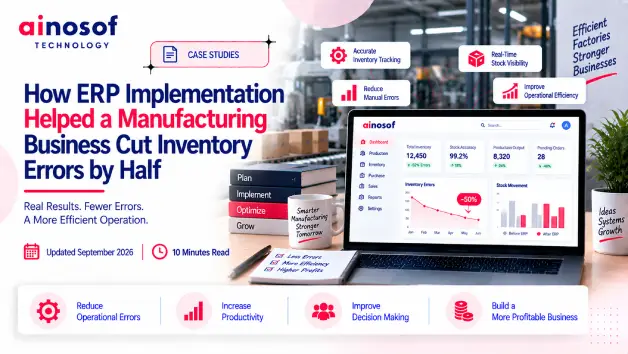 How ERP Implementation Helped a Manufacturing Business Cut Inventory Errors by Half
26 Sep, 2026
How ERP Implementation Helped a Manufacturing Business Cut Inventory Errors by Half
26 Sep, 2026
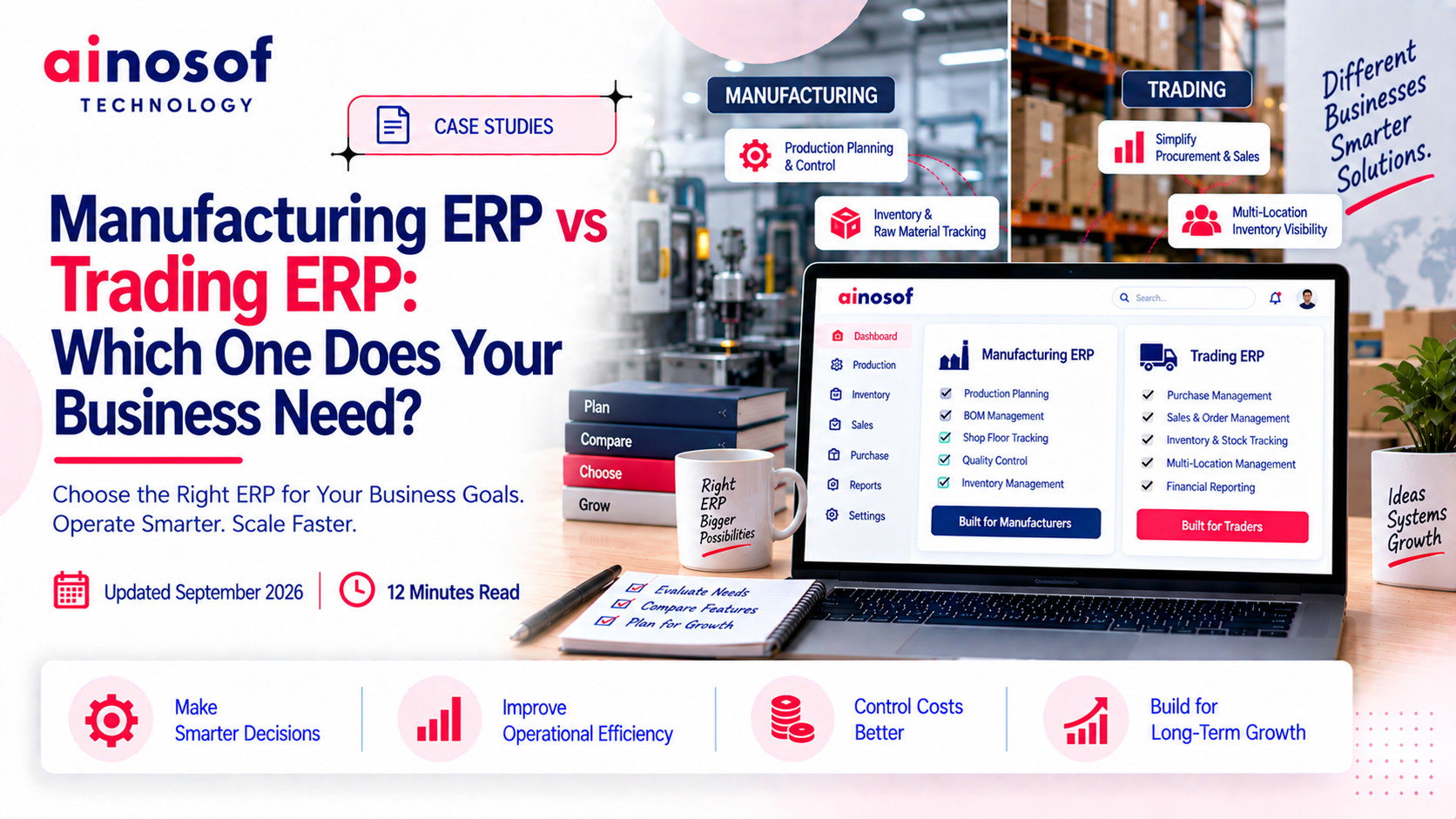 Manufacturing ERP vs Trading ERP: Which One Does Your Business Need?
25 Sep, 2026
Manufacturing ERP vs Trading ERP: Which One Does Your Business Need?
25 Sep, 2026
 What is LLM SEO and Why Is It Becoming Important for Business Visibility in 2026?
03 Aug, 2026
What is LLM SEO and Why Is It Becoming Important for Business Visibility in 2026?
03 Aug, 2026
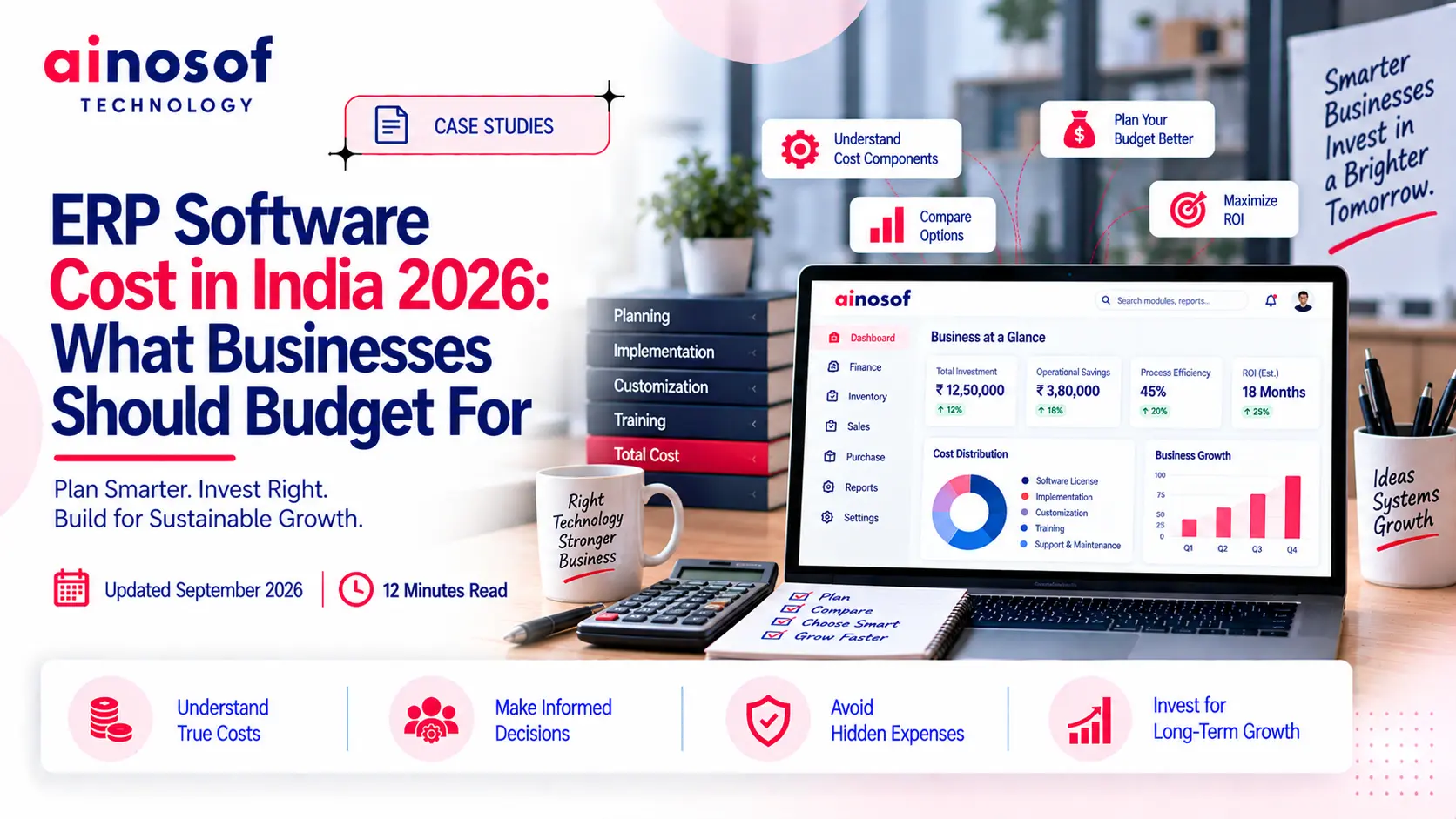 ERP Software Cost in India 2026: What Businesses Should Budget For
24 Sep, 2026
ERP Software Cost in India 2026: What Businesses Should Budget For
24 Sep, 2026
Comment with an expert and get our answer.
Comment with an expert and get our answer.
Explore more insights related to this topic and discover useful perspectives, ideas and strategies from our latest articles.